Biohack Report

Latest Reports

The newest research, technologies and developments across longevity, wearables, sleep, health tech, nutrition, recovery, cognition and human performance.

Most Recent

All Reports

52 reports

SleepResearch

Survey Finds Work, Family Responsibilities Often Take Priority Over Sleep

A survey of 2,007 U.S. adults found that many people rank work, school schedules and household responsibilities above getting enough sleep. The findings arrive ahead of the back-to-school season, when earlier mornings, activities and homework may make established sleep routines harder to maintain.

Read Report
WearablesFitness & Recovery

Independent Test Finds Popular Smartwatches Often Overestimate Workout Calories

A study of 58 adults found that four widely used fitness watches frequently overstated energy expenditure during a controlled cycling workout when compared with clinical metabolic equipment. The size of the error varied by device and tended to increase with participants’ body-fat levels, while Fitbit produced inconsistent readings that limited its analysis.

Read Report
Brain & Cognition

MIT Theory Links Cognition and Consciousness to Analog Brain-Wave Computing

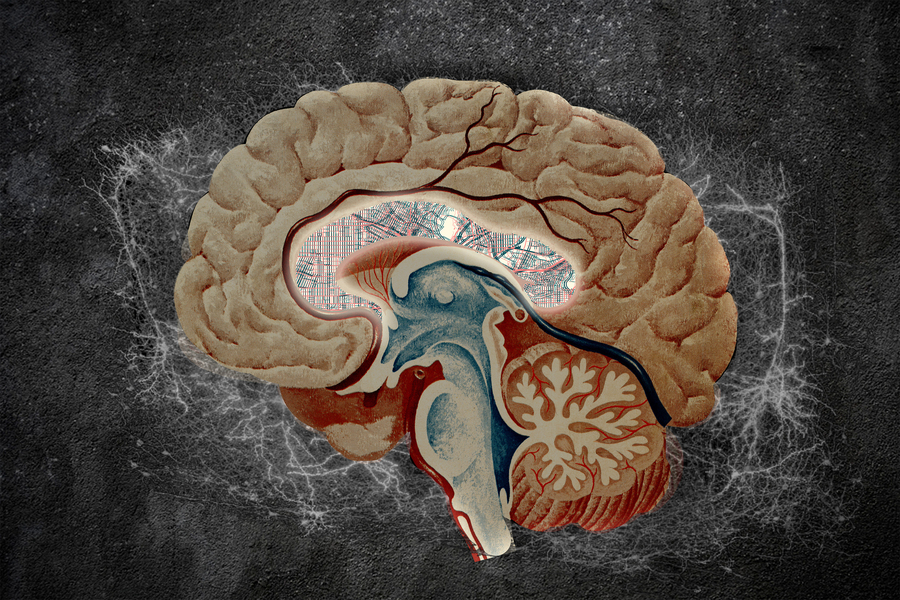
A review by MIT neuroscientists proposes that traveling brain waves help coordinate overlapping neural networks through analog, rather than purely digital, computations. The theory draws on experimental findings involving neural waves, electric-field interactions and anesthesia, but its authors say direct evidence of analog computation has not yet been demonstrated.

Read Report
Research

Study Links Walking Ability and Daily Steps With Quality of Life in MS

A University of Eastern Finland study found that people with relapsing-remitting multiple sclerosis who had lower disability, stronger walking performance and more daily steps also reported better quality of life. The study used accelerometer data, walking tests and established quality-of-life questionnaires, but found no association with physical-activity intensity.

Read Report
Research

Immune-Cell Patterns Linked to Near-Term Plaque Formation in Older Adults

A three-year study of 49 healthy older adults found that specific T-cell patterns and higher baseline VCAM-1 were associated with the later development of subclinical carotid plaque. The observational findings suggest immune profiling may help identify early vascular risk, but they do not establish that the immune changes caused plaque formation.

Read Report
SleepNutrition

Human study maps region-specific links between gut microbes and brain chemistry

A cross-sectional study of 61 healthy young women found that the gut microbiome’s genetic capacity for certain metabolic pathways was associated with GABA, glutamate and excitatory/inhibitory balance in distinct brain regions. The findings also linked some microbial pathways with anxiety, depressive symptoms and sleep quality, but did not establish cause and effect.

Read Report
Sleep

Teen Sleep Schedule Mismatch Linked to Slightly Higher Anxiety

A systematic review and meta-analysis of adolescent sleep research found a small but consistent association between greater “social jet lag”—different sleep schedules on weekdays and weekends—and higher reported anxiety. The analysis combined 12 studies involving more than 230,000 participants, but it does not establish that irregular sleep timing causes anxiety.

Read Report
Brain & CognitionResearch

MIT Researchers Build Striatum Cell Atlas to Guide Brain-Disorder Research

An MIT-led study used single-cell RNA sequencing and spatial mapping to identify 31 neuronal subgroups in the human striatum, a brain region involved in movement, decision-making, habits, and reward. The atlas highlighted cell populations linked to addiction, depression, and schizophrenia, while also revealing differences between human and mouse neurons relevant to Huntington’s disease and opioid research.

Read Report
Research

Review Links 8–12 Weeks of Mindfulness Training to Better Heart-Health Measures

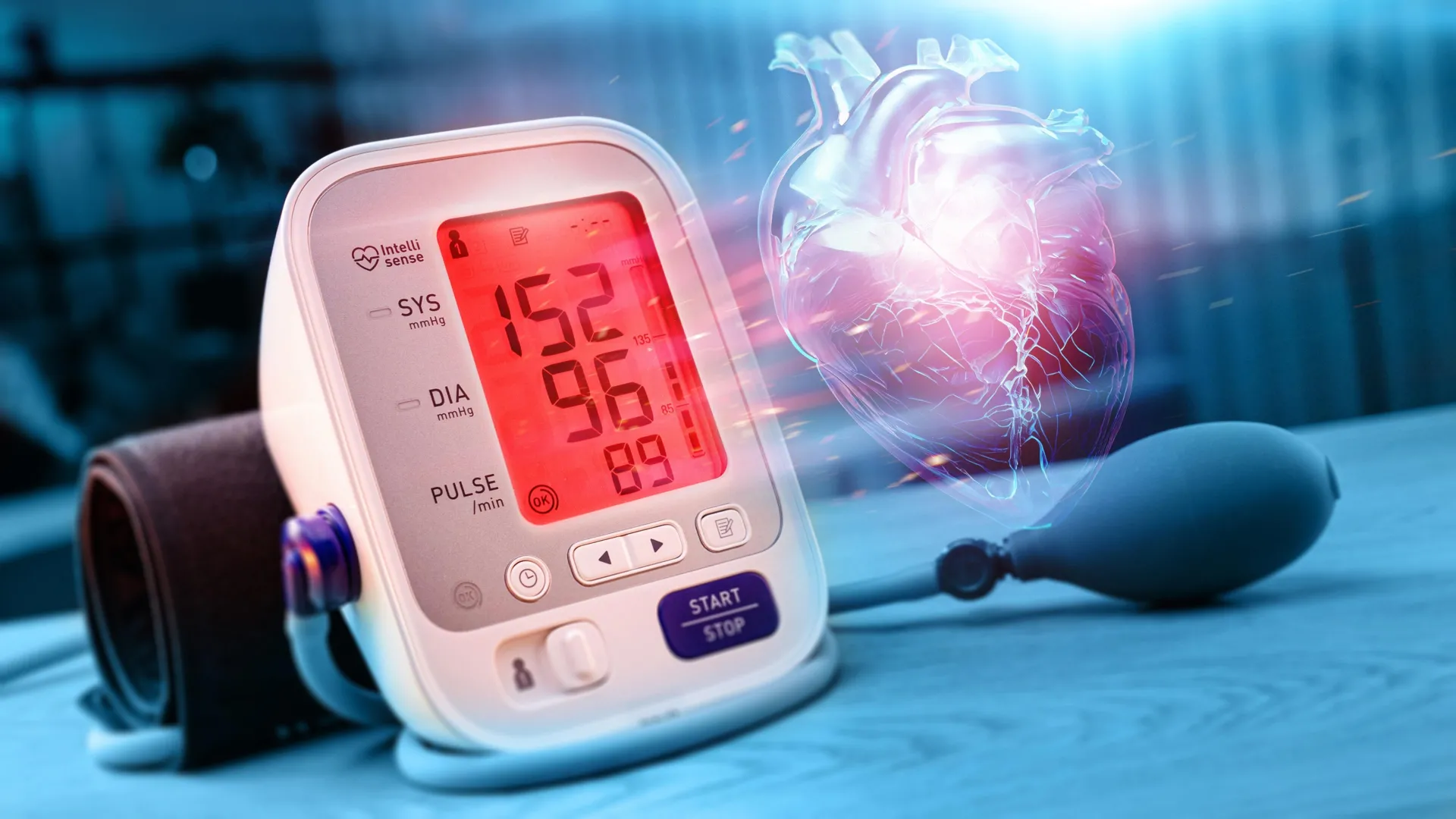
A review of 18 randomized controlled trials found that mindfulness, gratitude, optimism and related positive-psychology programs were associated with improvements in blood pressure, inflammation and other cardiovascular markers. The strongest results generally came from daily practice reinforced by weekly sessions, although the interventions and participants varied widely.

Read Report
Research

Dementia Risk Remains Uneven Even After Age 90, Study Finds

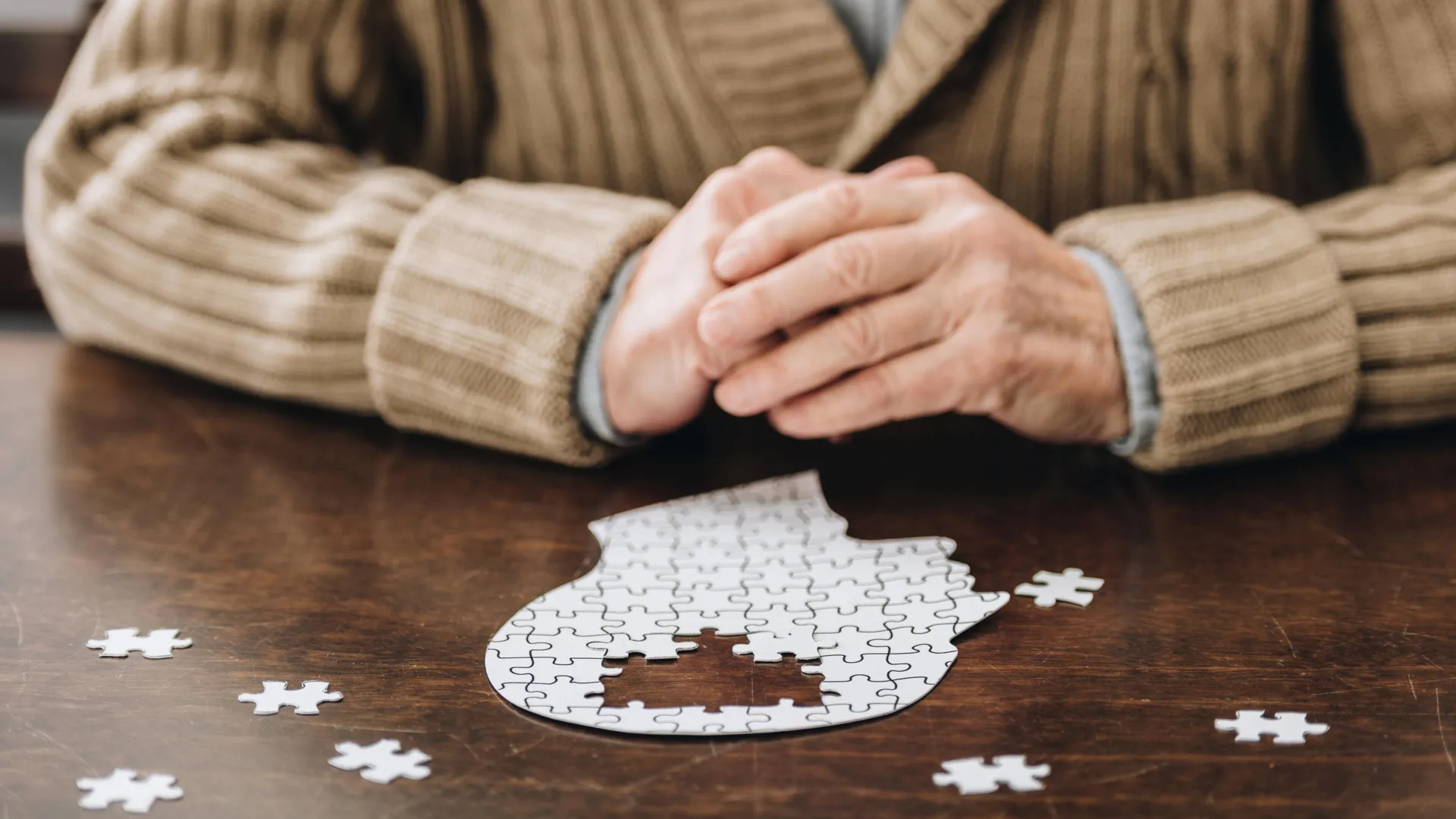
A prospective cohort study of more than 800 adults aged 90 and older found that dementia incidence remained associated with sex, race, ethnicity and APOE genotype. Women had roughly twice the risk of men, while APOE2 carriers had a 60% lower risk; some people with established risk factors remained cognitively healthy.

Read Report
Fitness & RecoveryBrain & Cognition

Randomized Trial Links Aerobic Exercise to Stronger Executive Function After Menopause

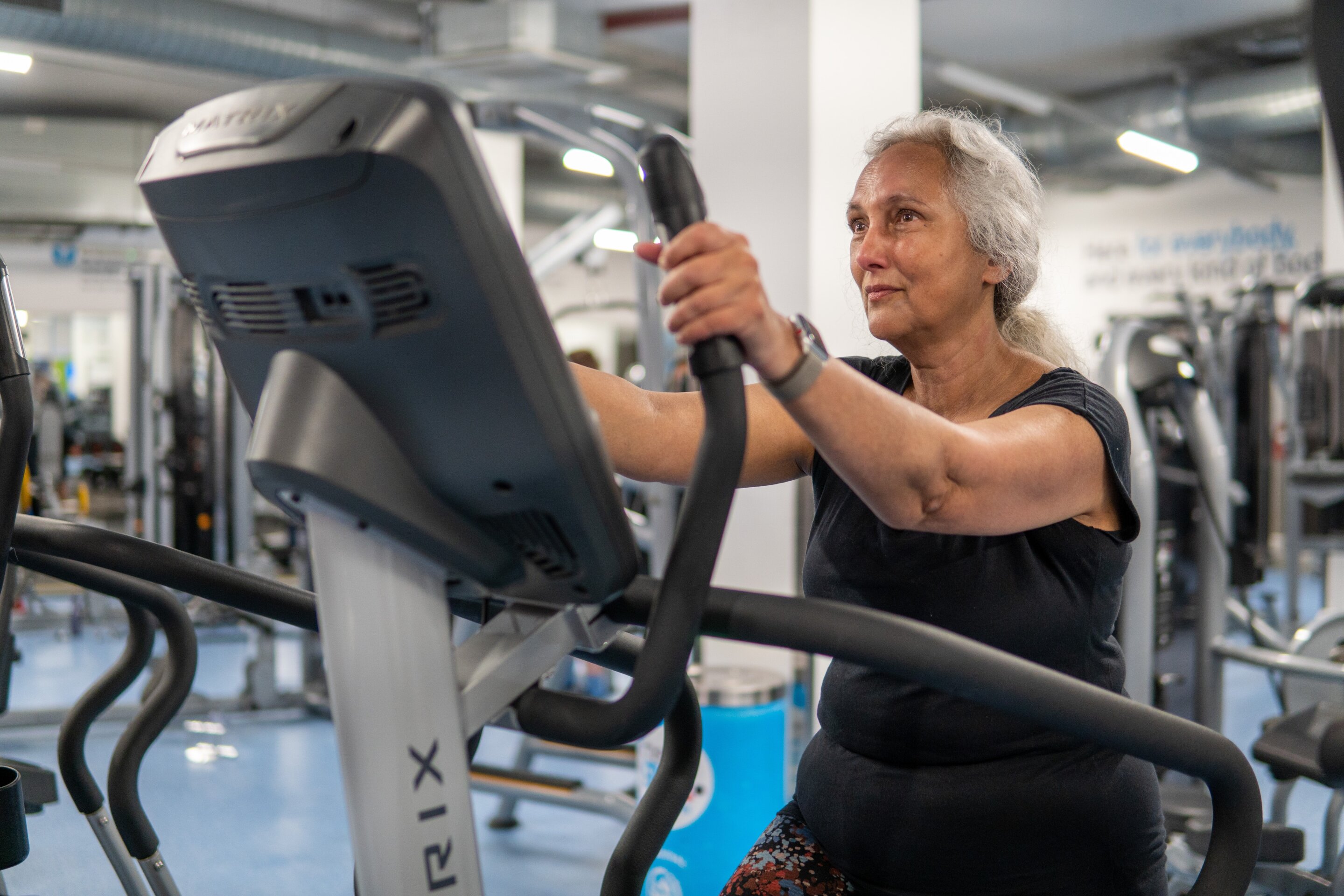
A six-month randomized controlled trial of 93 women found that postmenopausal participants assigned to aerobic exercise improved task-switching and error management more than those in a stretching-and-toning group. The gains appeared after three months and continued through the study, while memory and processing speed did not show the same improvement.

Read Report
LongevityBrain & Cognition

Study Links Oligodendrocyte NRF2 Changes to Cognitive Decline in Aging Mice

Research examining aging-related white matter changes in humans and mice linked poorer cognitive trajectories with altered oligodendrocyte behavior, including reduced NRF2 activity. In aged mice, selectively removing NRF2 from oligodendrocytes was associated with less cognitive improvement and changes resembling those observed in human cognitive decline, although the findings do not establish a treatment for preserving cognition.

Read Report
Brain & CognitionHealth Tech

Blood Assay Detects Alzheimer’s-Linked Amyloid-β Seeding Activity

A study of 549 participants evaluated a blood-based protein misfolding amplification assay designed to detect amyloid-β aggregation activity. In a validation stage, the measure showed high diagnostic accuracy across several clinical comparisons and was associated with cognitive-function scores, but the findings establish a biomarker signal—not a standalone diagnosis or treatment.

Read Report
SleepResearch

Phase 3 Trial Finds AD109 Reduced Sleep Apnea Breathing Events by 44%

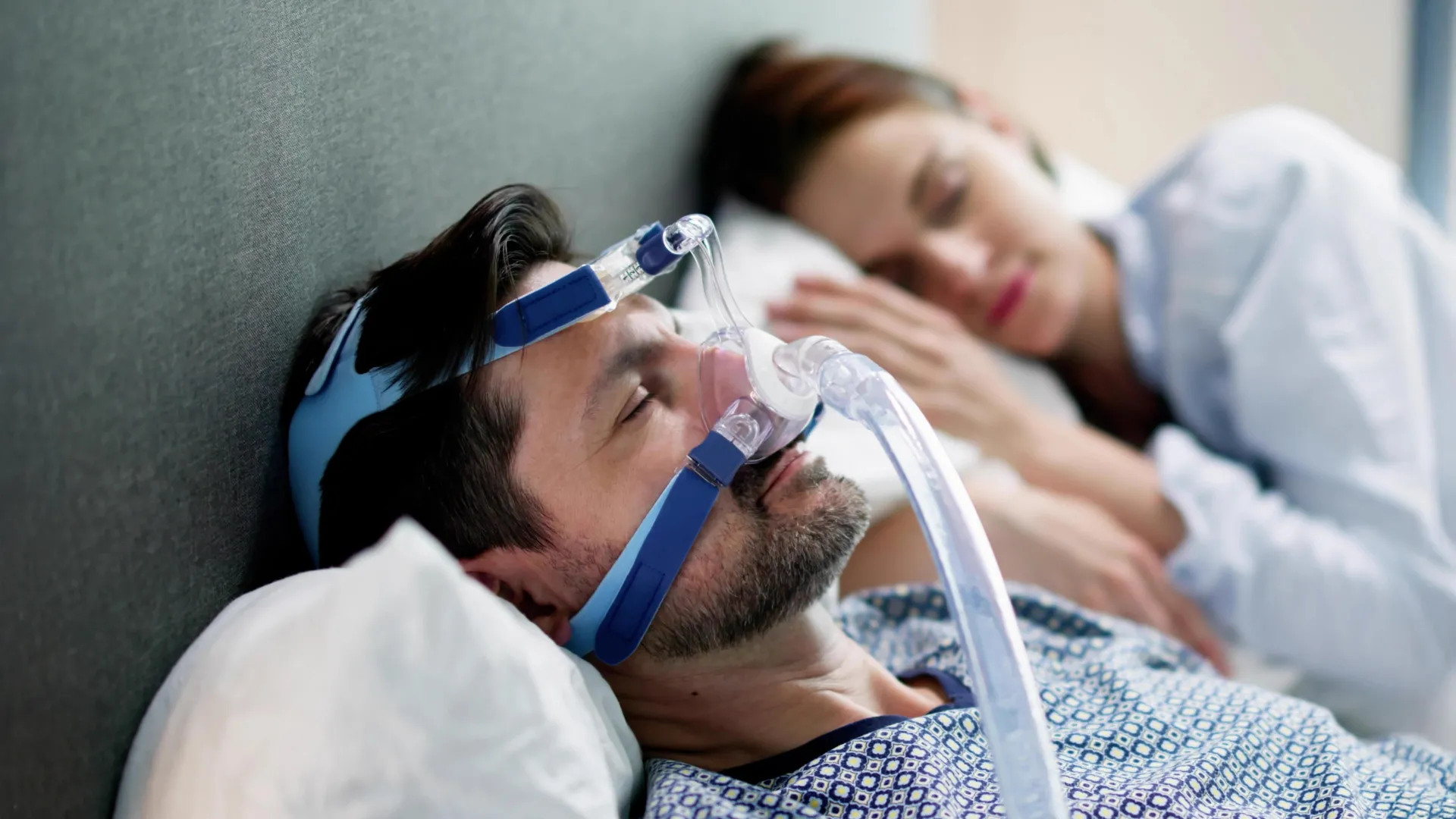
In a six-month randomized phase 3 trial involving 646 adults who could not tolerate or had declined CPAP, the once-nightly drug AD109 reduced apnea-hypopnea index scores by about 44%, compared with an 18% reduction with placebo. The treatment also improved several measures of nighttime oxygen disruption, but side effects led about 21% of participants to discontinue it.

Read Report
Brain & CognitionResearch

Human-Specific SRGAP2 Copies Linked to Slow Microglial Development

A Columbia University study reports that human-specific copies of SRGAP2 are unusually active in microglia, the brain’s immune cells, and help slow their maturation. The researchers found that human microglia may take four to eight years to mature, compared with about three weeks in mice, potentially coordinating the long development of human brain circuits.

Read Report
NutritionResearch

Cell Study Links High Glucose to a Thicker Cancer-Cell Sugar Shield

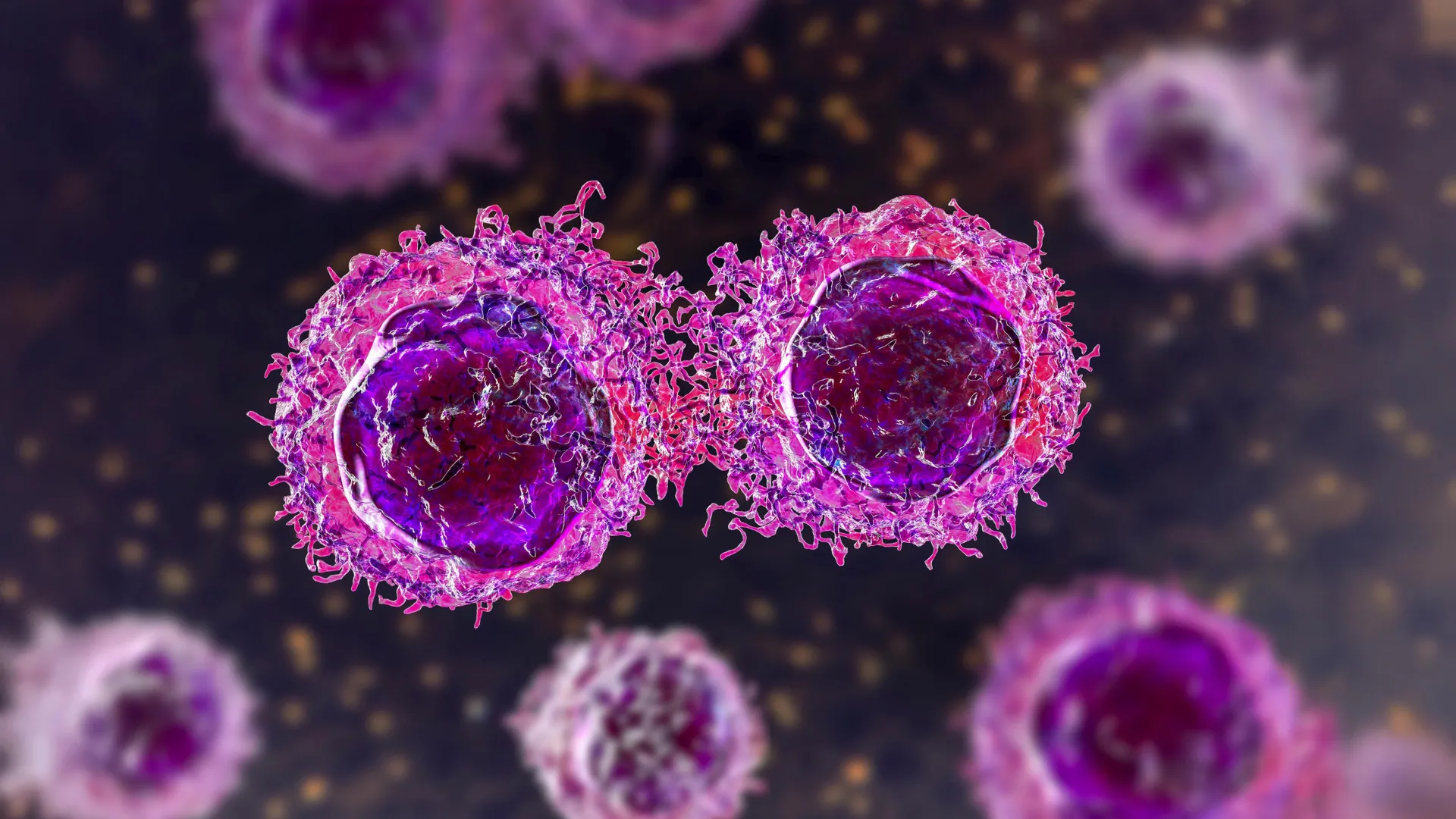
A study from Sanford Burnham Prebys and collaborating institutions found that elevated glucose thickened the glycocalyx—a sugar-rich coating on cancer cells—under laboratory conditions designed to resemble the tumor environment. The effect depended on HSF1, suggesting a possible research path for making cancer cells more visible to immune defenses, though no human treatment benefit was established.

Read Report
Fitness & RecoveryResearch

Finnish Study Links Evening Chronotype With Poorer Work Recovery and Mental Health

A population-based study of 2,266 working-age people in Finland found that evening-oriented participants, particularly extreme evening types, reported more difficulty recovering from work and more mental health symptoms or diagnoses than morning types. The association with anxiety disorders appeared connected to work-life spillover and inadequate recovery, but the study did not establish that being a night owl causes these problems.

Read Report
Fitness & RecoveryResearch

One-Year Exercise Program Reduced Atrial Fibrillation Burden in Randomized Trial

In the randomized NEXAF trial, a tailored exercise program combining initial supervised sessions with longer-term home exercise and digital monitoring reduced the amount of time participants spent in atrial fibrillation. The intervention also improved fitness and was associated with fewer hospitalizations, but it did not significantly improve atrial-fibrillation-specific quality-of-life scores.

Read Report
Fitness & RecoveryBrain & Cognition

Ten Minutes of Very Slow Running Linked to Better Mood and Executive Function

A study published in Imaging Neuroscience found that 10 minutes of very slow treadmill running was followed by improved mood, faster performance on a measure of executive function, and increased activity in several prefrontal brain regions. The research examined running at roughly walking speed and very light exercise intensity.

Read Report
LongevityResearch

Analysis Finds Some Epigenetic Aging Clocks Respond More Consistently to Interventions

An analysis of 51 longitudinal intervention studies found that epigenetic clocks designed to predict mortality or the pace of aging showed the most consistent responses across interventions. The findings suggest these measures may be useful for designing future trials, but they do not yet establish any clock as a validated surrogate for aging or longevity outcomes.

Read Report
SleepNutrition

Stroke Rehab Can Begin Early and Continue Long After Hospital Discharge

Updated American Heart Association/American Stroke Association guidance highlights rehabilitation that may begin within days of a stroke and address movement, communication, cognition, sleep, nutrition and mental health. The guidance also emphasizes that recovery is often a long-term process involving survivors, caregivers and a multidisciplinary care team.

Read Report
NutritionResearch

Mouse Study Finds Sucralose and Stevia Effects Persisted Across Generations

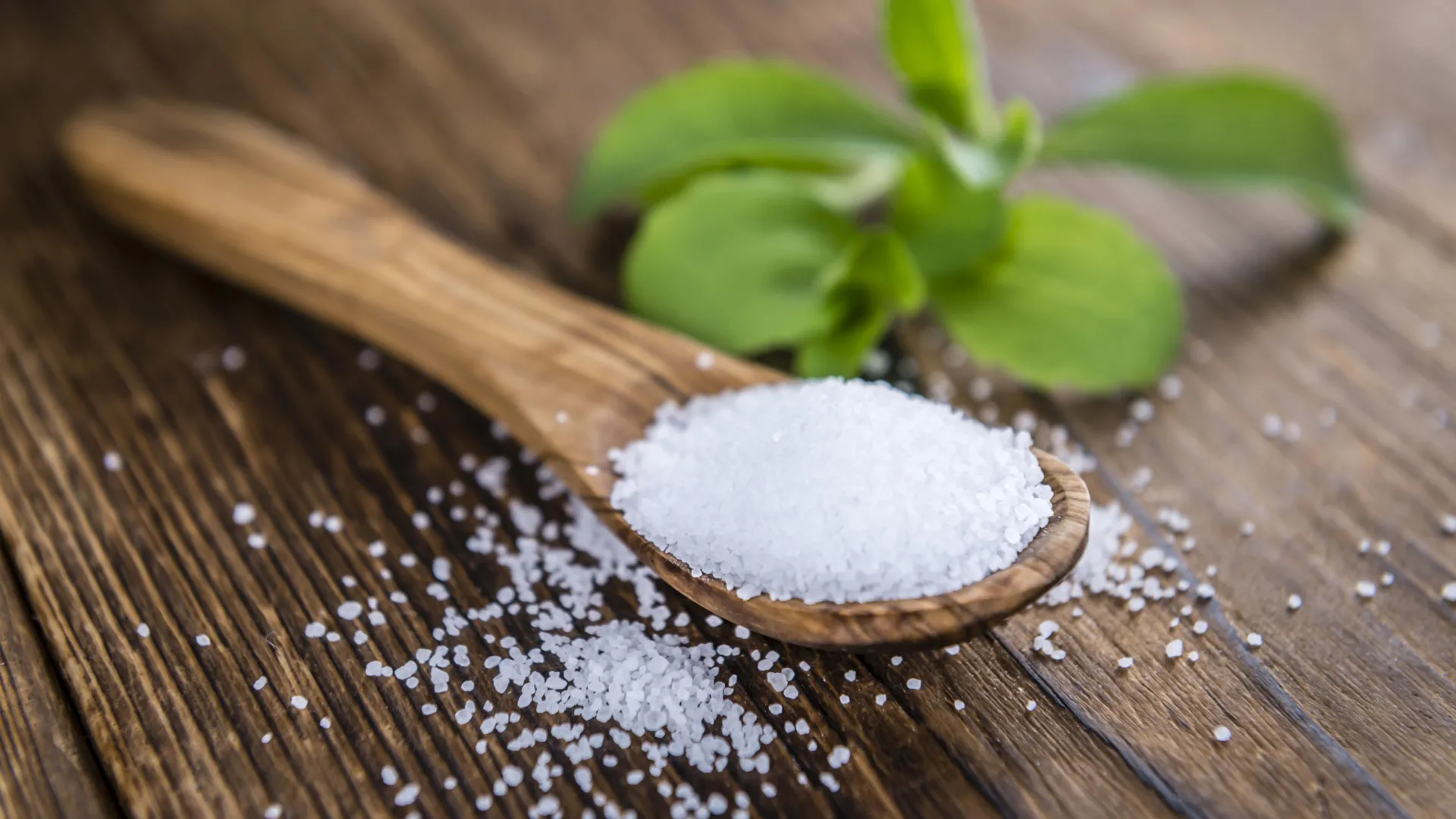
A study of mice linked sucralose and stevia exposure with changes in gut bacteria, glucose regulation and gene activity. Some findings remained in descendants that had never consumed the sweeteners, although the researchers emphasized that the results do not establish direct causation or show that the same effects occur in humans.

Read Report
Research

Injectable Hydrogel Aims to Keep Osteoarthritis Drugs in Joints for Weeks

Scientists at the University at Buffalo have developed an injectable hydrogel that turns into a lubricating semisolid depot at body temperature. The platform is designed to retain drug-loaded nanocarriers inside arthritic joints and gradually release poorly soluble compounds, but the supplied report does not describe human testing or clinical outcomes.

Read Report
Research

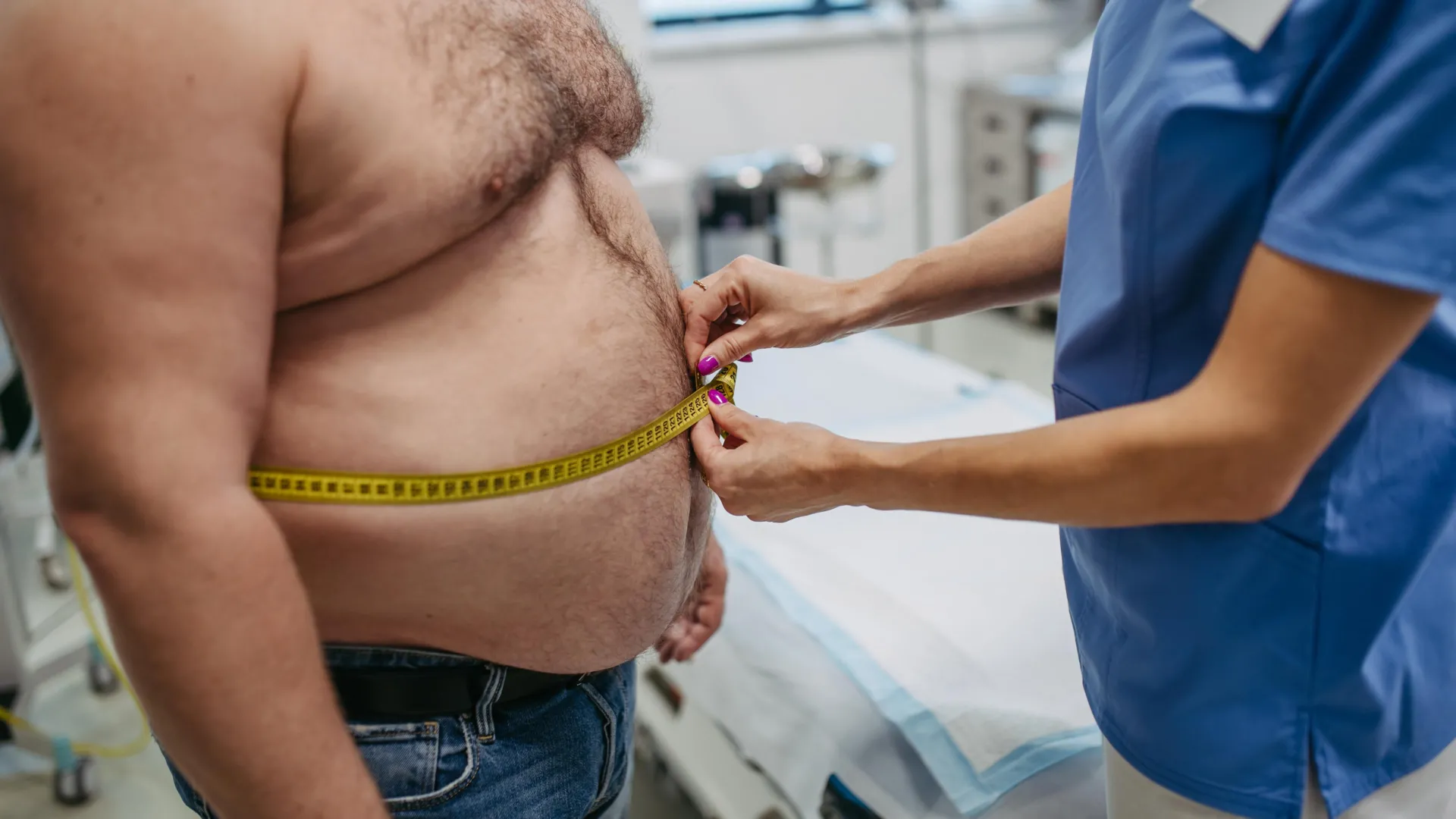
Waist Measurement May Catch Obesity BMI Alone Misses

A Rutgers Health analysis of 1,900 U.S. adults found that waist circumference, alone or alongside BMI, identified excess body fat about as effectively as a more complex framework using several body measurements. BMI by itself missed many participants who met body-fat criteria for obesity.

Read Report
Brain & CognitionResearch

Study Reframes Brain Evolution Beyond the “Lizard Brain” Model

Research published in Science Advances suggests mammalian brain evolution may reflect a trade-off between two competing wiring strategies rather than a progression from an ancient “lizard brain” to newer rational regions. Analysis spanning 182 species and experiments with artificial neural networks linked the balance to animals’ sensory demands, including smell and vision.

Read Report
Fitness & Recovery

Esports Teams Turn to Sports Medicine as Repetitive-Strain Injuries Mount

Professional gaming can involve prolonged sitting, repetitive hand movements, extended screen time and intense mental demands. Reporting in Medical Xpress highlights the injuries affecting players and the growing use of physical therapy, ergonomics, exercise and psychological support—while researchers explore lessons from musicians, dancers and other performers.

Read Report
Health TechResearch

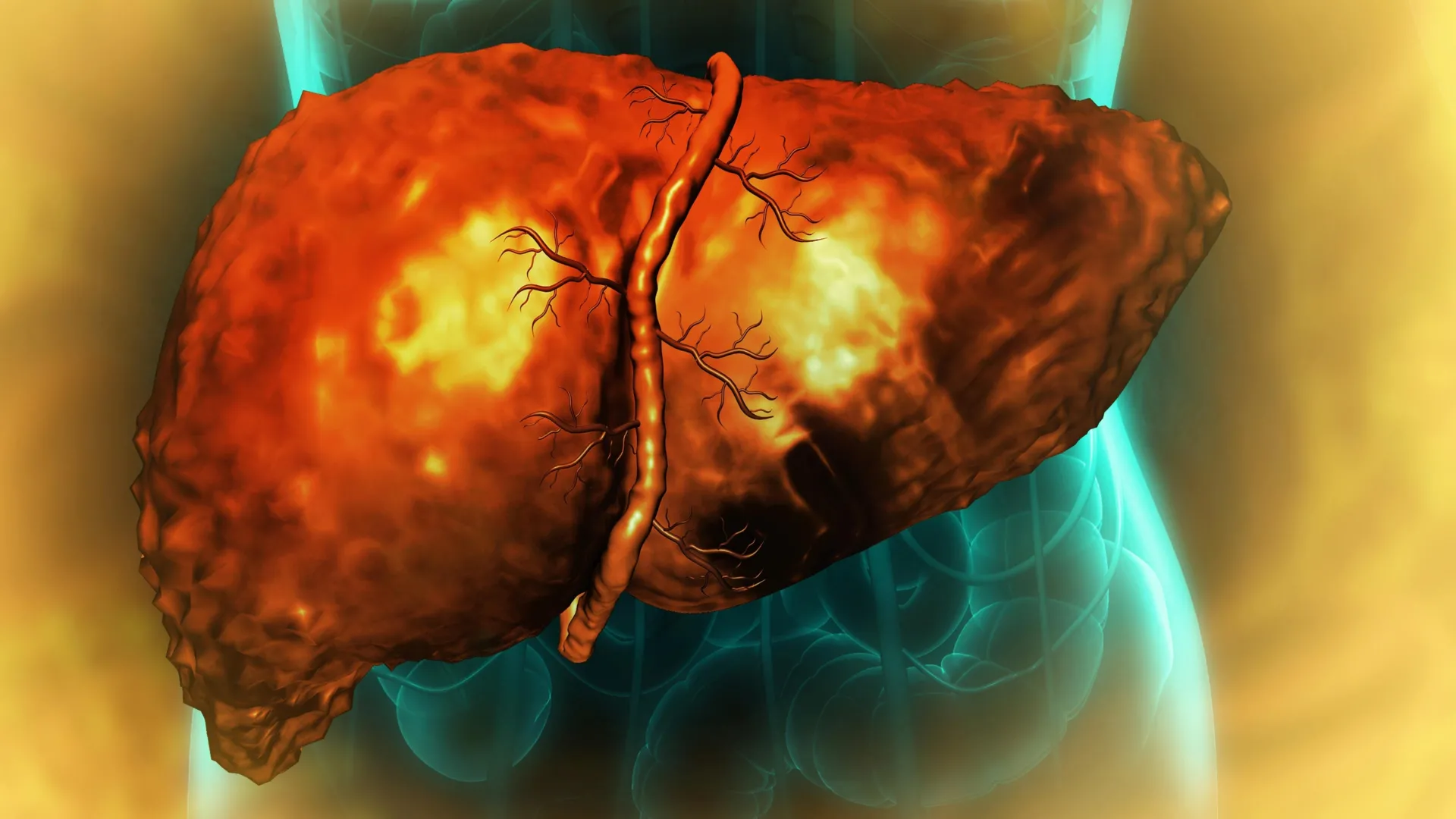
Study Identifies RNA-Splicing Errors Linked to Failed Liver Repair After Alcohol Damage

A study of human liver tissue and mice links alcohol-associated liver disease to inflammation, reduced ESRP2 protein levels, and widespread RNA-splicing errors. The findings suggest a possible pathway for future diagnostics or treatments, but the proposed approach has so far been tested in laboratory liver-cell cultures and animal models.

Read Report
Nutrition

Bacterial Enzyme Improved Mitochondrial Metabolism in Worm and Mouse Studies

Researchers tested gene therapy delivering the bacterial enzyme LplA in Caenorhabditis elegans and mice. The intervention increased protein lipoylation, improved measures of energy metabolism, and lowered reactive oxygen species in the reported models, while also being associated with better movement, stress resistance, and delayed age-related decline.

Read Report
Longevity

Mistranslation Mutations Extend Lifespan in Reproducing Female Flies

A study in Drosophila melanogaster found that two forms of RNA-to-protein mistranslation were associated with longer lifespans in mated female flies. The effect was not explained by lower egg-laying or fertilization rates, challenging the expectation that reproduction would make the cellular stress of mistranslation more harmful.

Read Report
Fitness & Recovery

ESC Publishes First Broad Guidelines for Cardiac Rehabilitation

The European Society of Cardiology has published its first guidelines devoted specifically to cardiac rehabilitation, bringing together recommendations across multiple heart conditions. The guidance emphasizes individualized programs combining exercise, emotional support and education, while also addressing digital home-based care, access barriers and the role of patient preferences.

Read Report
Brain & Cognition

One-Month HEPA Purifier Use Linked to Faster Executive-Function Test Scores

In a randomized crossover study of 119 Massachusetts residents, participants aged 40 and older completed an executive-function and mental-flexibility test about 12% faster after a month using a HEPA air purifier than after using a sham device. The study did not establish whether the effect lasts or applies to adults over 60.

Read Report
Fitness & RecoveryResearch

Study Links Higher Physical Activity With Lower TMAO and Better Bone Measures

An exploratory comparison in adults aged 65 and older, alongside rat and cell experiments, linked greater habitual activity with higher hip bone-density scores, lower TMAO, reduced inflammatory markers, and a bone-turnover profile favoring formation. The findings suggest a possible gut–bone inflammatory pathway, but the human results were observational rather than proof that exercise caused the differences.

Read Report
Research

Survey Finds Injury Affects One in Five Inactive Women in Social Sport

A La Trobe University survey of more than 1,330 physically inactive women in Victoria found that injury or pain affected about one in five participants in social sport programs. Knee, lower-back and ankle complaints were most common, while lower household income and lower confidence in regular activity were linked with greater injury-related barriers.

Read Report
LongevityBrain & Cognition

Senolytic Strategies Rejuvenate Microglia in the White Matter of Aged Mice

A study in naturally aged mice found that pharmacological and pharmacogenetic senotherapeutic approaches reduced a senescent, disease-associated microglial population in a region of brain white matter. The interventions were linked with a more youthful microglial organization, but the findings remain preclinical and do not establish a benefit in humans.

Read Report
LongevityResearch

Mouse ALS Study Points to Mertk-Linked Microglial Killing of Motor Neurons

Research in the SOD1G93A mouse model of ALS found that disabling Axl and Mertk in microglia was associated with longer lifespan and preservation of certain motor neurons and neuromuscular synapses. The findings suggest microglia may engulf living neurons, but whether the mechanism applies to human ALS remains unresolved.

Read Report
Research

BitPet Study Links Digital Pet Game With 20% Higher Daily Activity

A three-week study of 51 BitPet users found that participants were, on average, more than 20% physically active on days they played the mobile game. The research, conducted through a Norwegian University of Science and Technology master’s thesis, also found substantial variation in motivation and only a limited effect on social activity.

Read Report
SleepBrain & Cognition

Study Links Learning-Stage Theta Activity to Memory Consolidation During Sleep

In a study of 31 participants, EEG patterns recorded while people learned object-word pairs were associated with which pairs they later remembered after sleep. The findings point to theta oscillations as a possible neural marker for experiences selected for sleep-dependent memory consolidation, although the study tested memory only over a two-hour period.

Read Report
SleepResearch

Study Tests a Caffeine-Nap Strategy for Drivers With Treated Sleep Apnea

A Scientific Reports study involving 21 drivers with obstructive sleep apnea found that two coffees improved alertness and reduced driving errors more than one after participants were limited to four hours of sleep. Adding a 15-minute nap produced modest additional benefits, while extending the nap to 30 minutes offered no observed advantage.

Read Report
SleepHealth Tech

Sleep Spindles Linked to Slower Cognitive Decline in Alzheimer’s Study

A three-year study of 60 adults with mild to moderate Alzheimer’s disease found that higher cerebrospinal-fluid orexin levels were associated with cognitive decline and disease-related biomarkers. Stronger sleep spindles and slow oscillations during nonrapid eye movement sleep appeared to weaken that relationship, although the findings do not establish that sleep brain waves prevent disease progression.

Read Report
SleepBrain & Cognition

Sleep Research Challenges the One-Size-Fits-All Eight-Hour Rule

A narrative review in Brain Medicine highlights evidence that optimal sleep duration varies among people and may often fall below eight hours. Research also suggests that sleep timing, regularity and total sleep across the week are important—but the health effects of longer sleep remain difficult to interpret.

Read Report
Brain & CognitionResearch

Mouse Study Identifies Brain Circuit That Compares New Sights With Recent History

MIT researchers identified a thalamo-cortical pathway in mice that helps the frontal cortex interpret current visual evidence in light of what happened moments earlier. The circuit influenced whether animals maintained or changed decisions in a moving-dots task, though the findings remain preclinical.

Read Report
SleepFitness & Recovery

Brief Exercise or a Nap May Protect Memory After Sleep Loss

A McGill University-led study of 54 healthy young adults found that either 20 minutes of moderate-to-vigorous cycling or a 90-minute nap was associated with better image-memory performance after 30 hours without sleep. Brain recordings suggested the two interventions supported memory through different neural processes, but neither replaced sleep.

Read Report
Brain & CognitionResearch

Language Network Shows Few Age Differences in MIT-Brain Study

An MIT-Boston University brain-imaging study found that language-network activity was nearly identical in adults ages 17 to 39 and 41 to 80. The same participants showed age-related differences in the multiple demand network, which supports executive functions such as working memory, attention, and decision-making. The study did not directly test language ability.

Read Report
Research

Study Finds Indoor Airflow Patterns Can Shape Tuberculosis Transmission

An interdisciplinary team from MIT and the University of Texas Southwestern Medical Center combined animal transmission experiments, particle tracking, and airflow modeling to examine how indoor ventilation affects tuberculosis spread. The work suggests that local airflow patterns and leakage paths may matter more than overall ventilation rates alone in some laboratory environments.

Read Report
Research

Sugar-Based Preservation Helps CAR-T Cells Survive Freezing in Mouse Study

MIT researchers developed a cryopreservation method that uses trehalose and sucrose to reduce reliance on DMSO when storing and shipping CAR-T cells. In experiments, the preserved cells showed better survival after thawing and treated lymphoma and glioblastoma in mice, but the approach has not yet been tested in patients.

Read Report
Research

MIT Researcher Tests CRISPR Gene Therapy for Rare Childhood Epilepsy

MIT PhD candidate Shannon Knight is in the early stages of developing a CRISPR-based gene therapy for SYNGAP1 haploinsufficiency, a rare genetic disorder linked to childhood-onset epilepsy and neurodevelopmental challenges. Preliminary testing in mice with a version of the disorder has shown improvements in seizures and behavioral traits, but the approach has not yet entered human trials.

Read Report
Brain & CognitionResearch

Mouse Study Finds Prefrontal Circuits Can Reuse Working Memory

MIT neuroscientists report that some prefrontal-cortex neurons in mice can hold either sensory information or an action plan, depending on the stage of a task. The findings support a model in which reusable neural modules help the brain handle varied cognitive demands without requiring a separate circuit for every type of information.

Read Report
Research

Caspase-1 Inhibitor Reduced Lung Tumors in Mice, MIT Study Finds

An MIT-led preclinical study found that blocking the inflammatory enzyme caspase-1 reduced the number and size of lung tumors in genetically engineered mice. The researchers also detected higher caspase-1 activity in a small set of human lung-fluid samples from patients with lung cancer, but the proposed preventive use has not yet been tested in people.

Read Report
Brain & Cognition

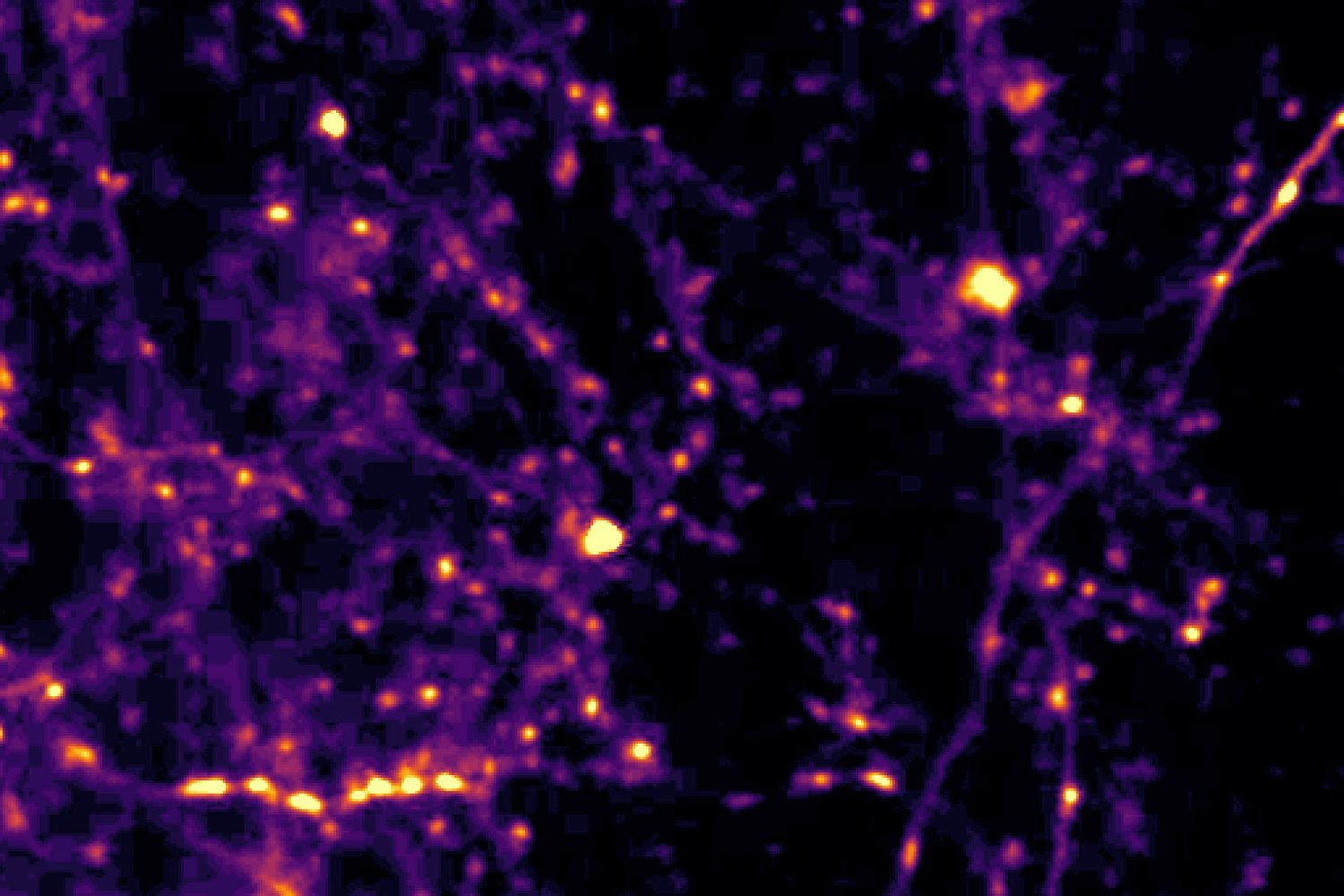
MIT Microscope Captures Millisecond-Scale Voltage Activity Across Zebrafish Brains

MIT researchers adapted a light-sheet microscope to image electrical activity across the brains of larval zebrafish at up to 200 scans per second. The method captured individual voltage spikes and brain-wide responses to ultraviolet light, although usable signals appeared in about one-quarter of neurons and the system remains an experimental research tool.

Read Report
Research

Researchers Add Nearly 700 Patient-Derived Models to Cancer Research Resources

An international research team led by MIT and collaborating institutions has developed nearly 700 cancer models from patient tumor samples, spanning 25 cancer types. The open-access resource includes mostly three-dimensional organoids, along with genomic and clinical data intended to support drug-target discovery and treatment research.

Read Report
Research

Medical AI Improved Diagnosis, but Its Benefits Varied by User Expertise

An MIT-led study found that AI assistance generally improved skin-disease diagnosis for both non-experts and clinicians, but the groups used the tools differently. Non-experts often deferred to AI-generated explanations—even when they were wrong—while clinicians were more likely to identify incorrect assistance.

Read Report
Research

PhysioNet’s 25-Year Evolution Made Shared Clinical Data a Research Standard

A platform that began with digitized heart recordings collected by MIT and Beth Israel Hospital researchers in the 1970s now hosts hundreds of biomedical databases. PhysioNet was cited by more than 15,000 scientific publications last year and has registered users in over 180 countries, with its data increasingly supporting health-care AI research.

Read Report

Go Deeper

Browse by topic.

Explore Topics