
Human-Specific SRGAP2 Copies Linked to Slow Microglial Development
A Columbia University study reports that human-specific copies of SRGAP2 are unusually active in microglia, the brain’s immune cells, and help slow their maturation. The researchers found that human microglia may take four to eight years to mature, compared with about three weeks in mice, potentially coordinating the long development of human brain circuits.
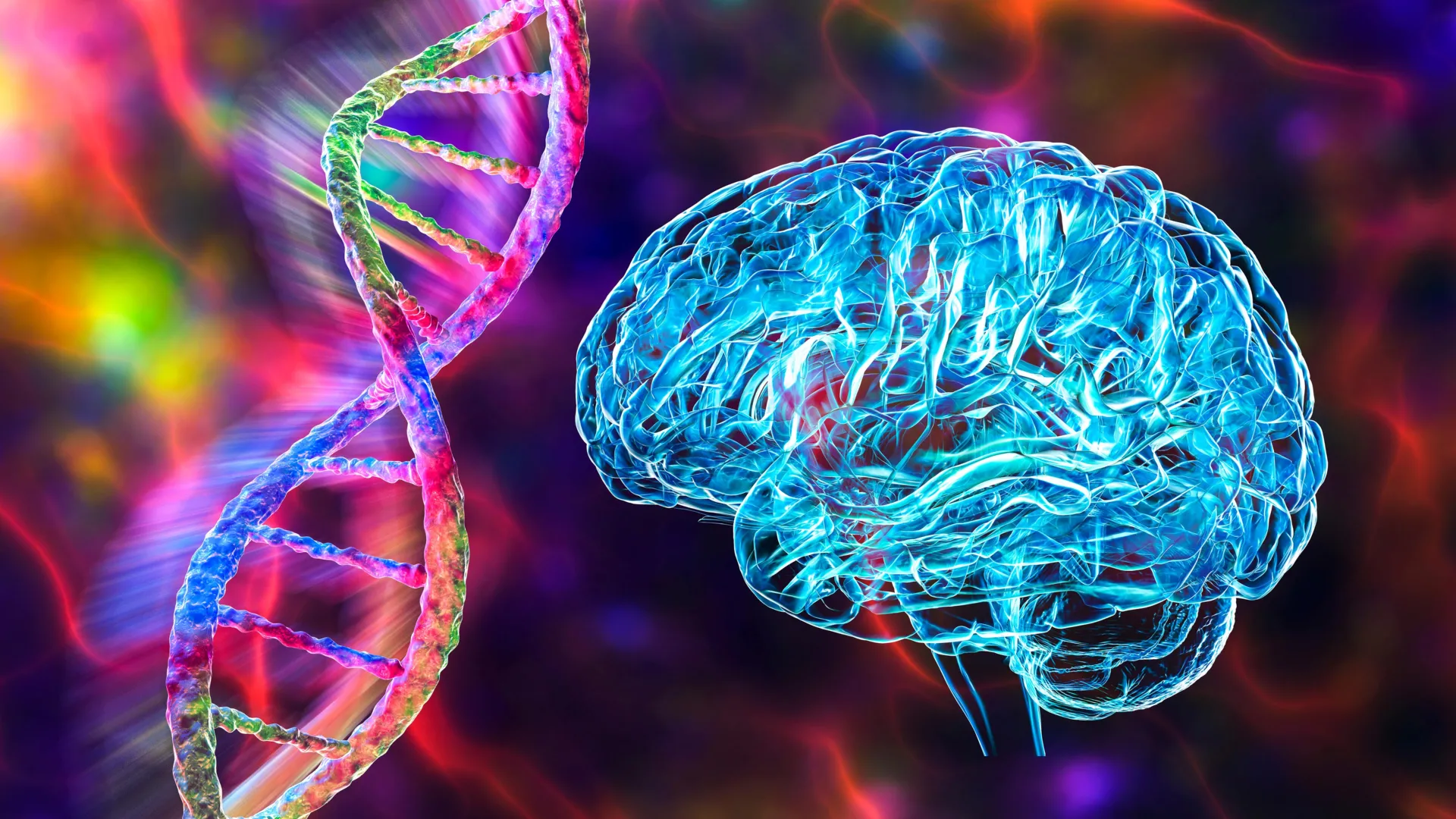
Human-specific copies of the gene SRGAP2 appear to help coordinate the unusually slow development of both neurons and microglia, according to research from Columbia University’s Zuckerman Institute published in Neuron. The findings offer a possible explanation for how the human brain develops its complex network of connections, but they do not establish that the gene directly produces higher intelligence or cognitive ability.
Microglia are immune cells that make up an estimated 5% to 10% of brain cells. They protect neural tissue, remove damaged neurons and participate in brain development by helping determine which synaptic connections are retained or eliminated. They can also adjust how responsive those connections are.
The research team found that human-specific SRGAP2 copies were nearly 10 times more abundant in microglia than in neurons. Experiments involving mice and human cells indicated that the gene copies substantially slowed the development of human microglia. The researchers estimated that human microglia take approximately four to eight years to mature, while comparable cells in mice mature in roughly three weeks.
That extended timetable is an example of neoteny, the prolonged developmental process seen in the human brain compared with the brains of other mammals. Earlier work from the same laboratory had linked human-specific SRGAP2 copies to a greater number of synapses in neurons and slower synaptic maturation. The new findings suggest that the gene may help synchronize the developmental pace of neurons and microglia as brain circuits form.
“This slow development may help human microglia influence the human brain in ways that enable our powerful cognitive abilities,” Carlos Diaz-Salazar, the study’s lead author, said in the research announcement. Diaz-Salazar conducted the work while in the laboratory of Franck Polleux and is now a researcher at the Hospital del Mar Medical Research Institute in Barcelona.
The study does not show that changing SRGAP2 would improve cognition, nor does it demonstrate a treatment or intervention for brain-related conditions. Its evidence comes from experiments using mice and human cells, making the findings mechanistic and preclinical rather than a human clinical result.
The researchers say their next goal is to determine more precisely how SRGAP2 promotes prolonged development in microglia, neurons and potentially other parts of the brain. They also noted that microglia have recently been linked to neurodevelopmental disorders and neurodegenerative diseases, which could make the gene relevant to future research into why human microglia differ from those of other animals.
Reporting Note
Biohack Report distinguishes preliminary findings, clinical evidence and commercial claims whenever the available reporting supports that distinction. Coverage is informational and is not medical advice.