Brain & Cognition1 source
Human-Specific SRGAP2 Copies Linked to Slow Microglial Development
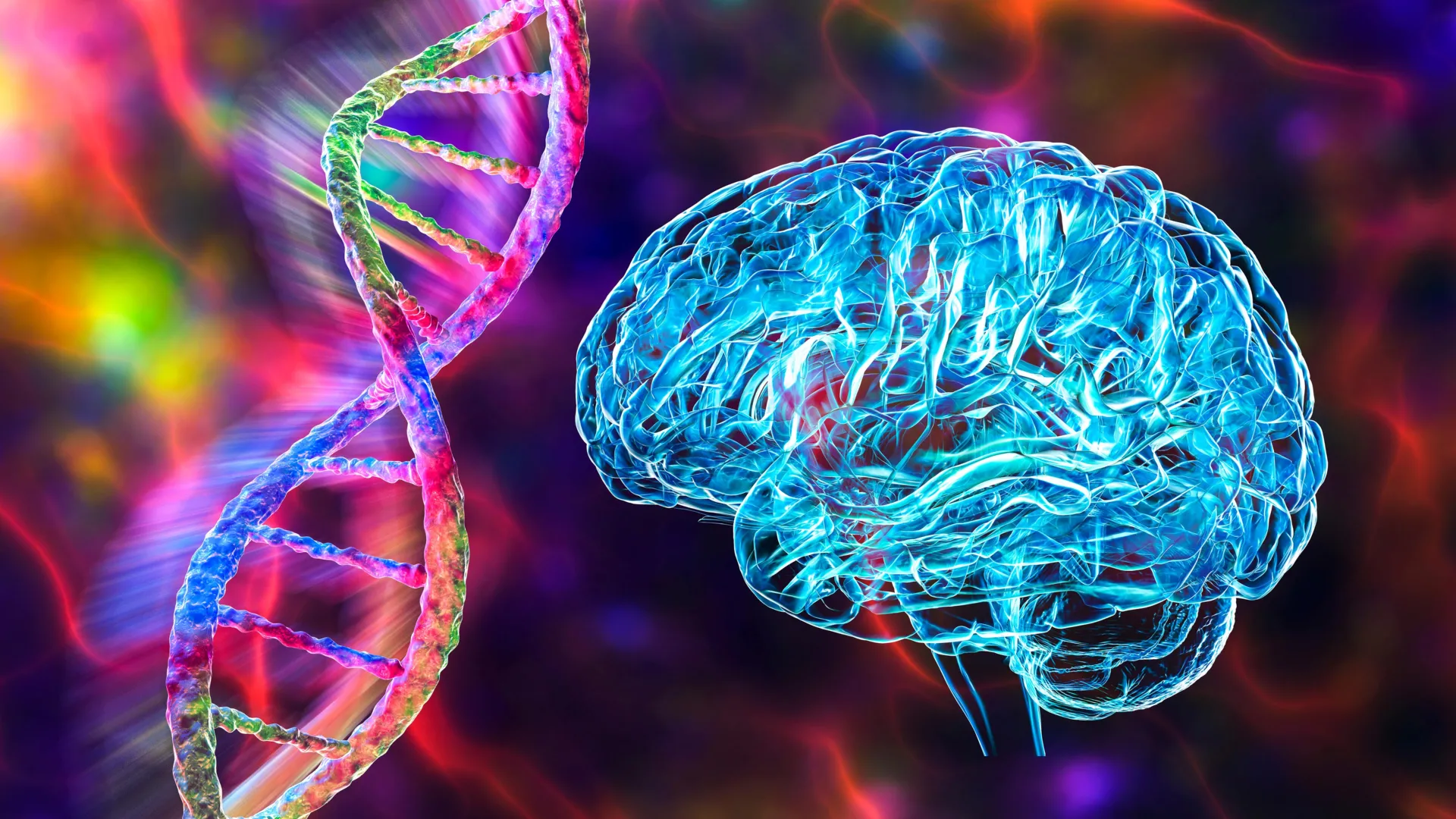
A Columbia University study reports that human-specific copies of SRGAP2 are unusually active in microglia, the brain’s immune cells, and help slow their maturation. The researchers found that human microglia may take four to eight years to mature, compared with about three weeks in mice, potentially coordinating the long development of human brain circuits.
Read report→