Tracking the science of better living

Longevity, technology and human performance.

Biohack Report covers the research, tools and technologies shaping how we understand health, aging, recovery, cognition and performance.

Worth Watching

Top Reports

New Research & Technology

Latest Reports

SleepResearch

Survey Finds Work, Family Responsibilities Often Take Priority Over Sleep

A survey of 2,007 U.S. adults found that many people rank work, school schedules and household responsibilities above getting enough sleep. The findings arrive ahead of the back-to-school season, when earlier mornings, activities and homework may make established sleep routines harder to maintain.

Read Report →
WearablesFitness & Recovery

Independent Test Finds Popular Smartwatches Often Overestimate Workout Calories

A study of 58 adults found that four widely used fitness watches frequently overstated energy expenditure during a controlled cycling workout when compared with clinical metabolic equipment. The size of the error varied by device and tended to increase with participants’ body-fat levels, while Fitbit produced inconsistent readings that limited its analysis.

Read Report →
Brain & Cognition

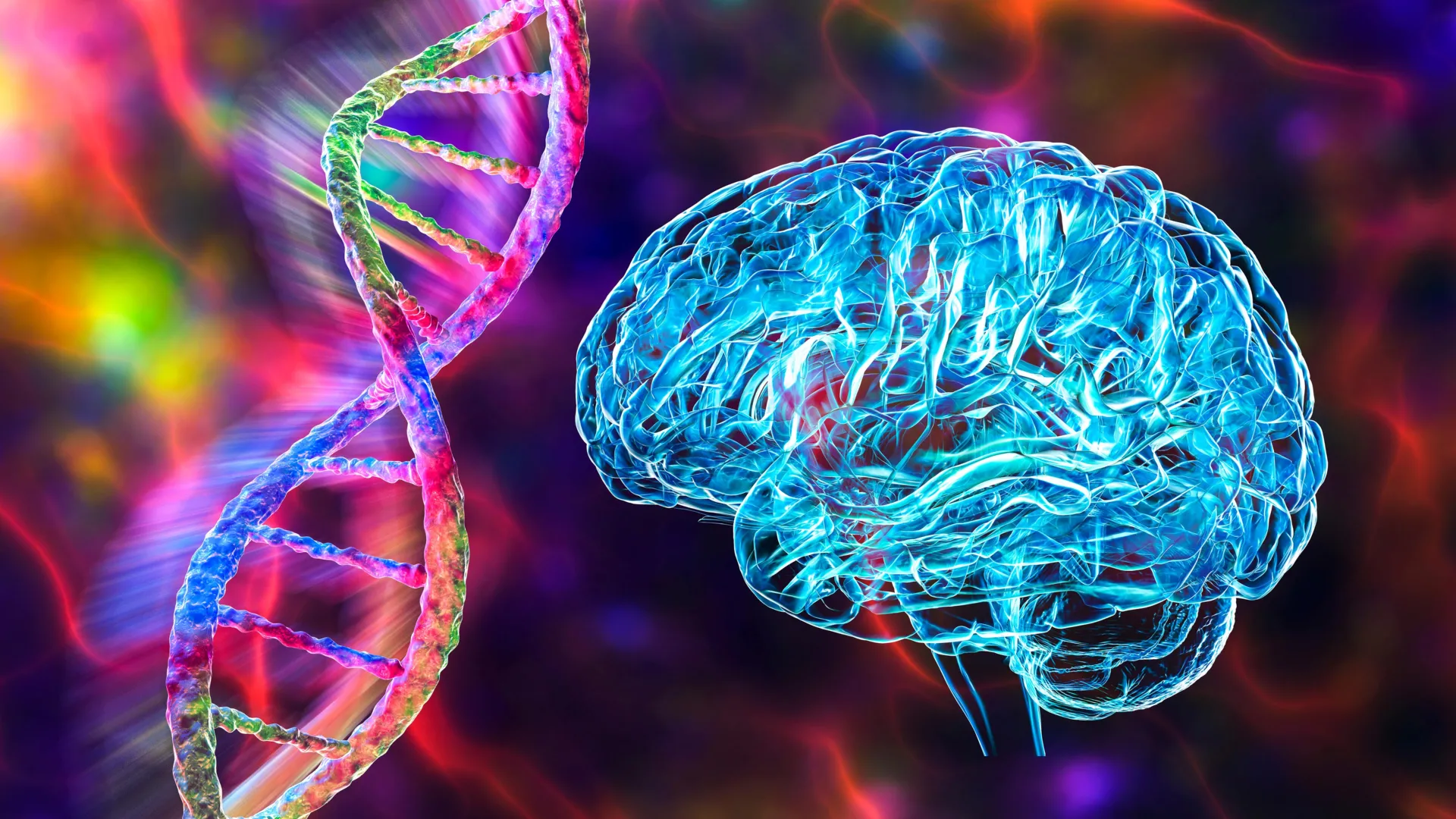
MIT Theory Links Cognition and Consciousness to Analog Brain-Wave Computing

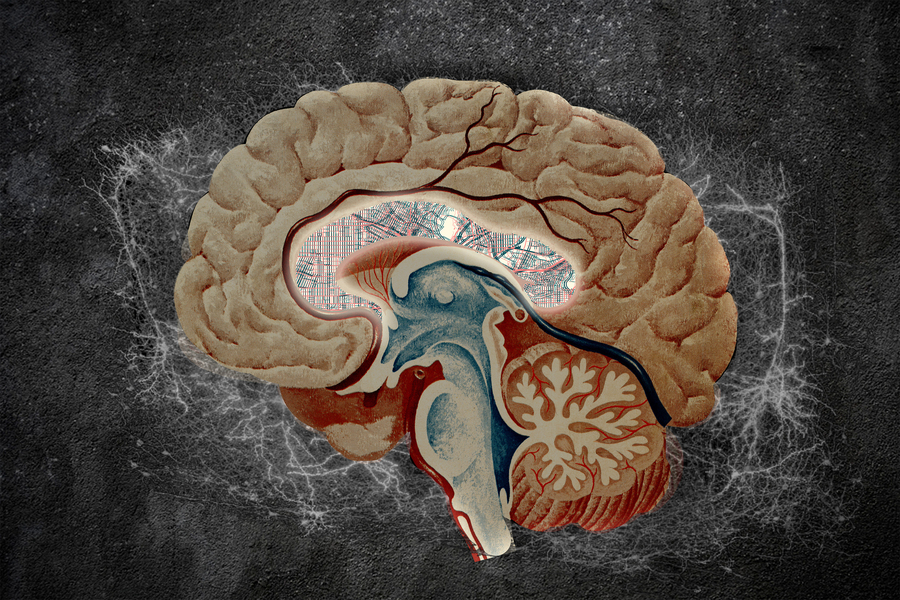
A review by MIT neuroscientists proposes that traveling brain waves help coordinate overlapping neural networks through analog, rather than purely digital, computations. The theory draws on experimental findings involving neural waves, electric-field interactions and anesthesia, but its authors say direct evidence of analog computation has not yet been demonstrated.

Read Report →
Research

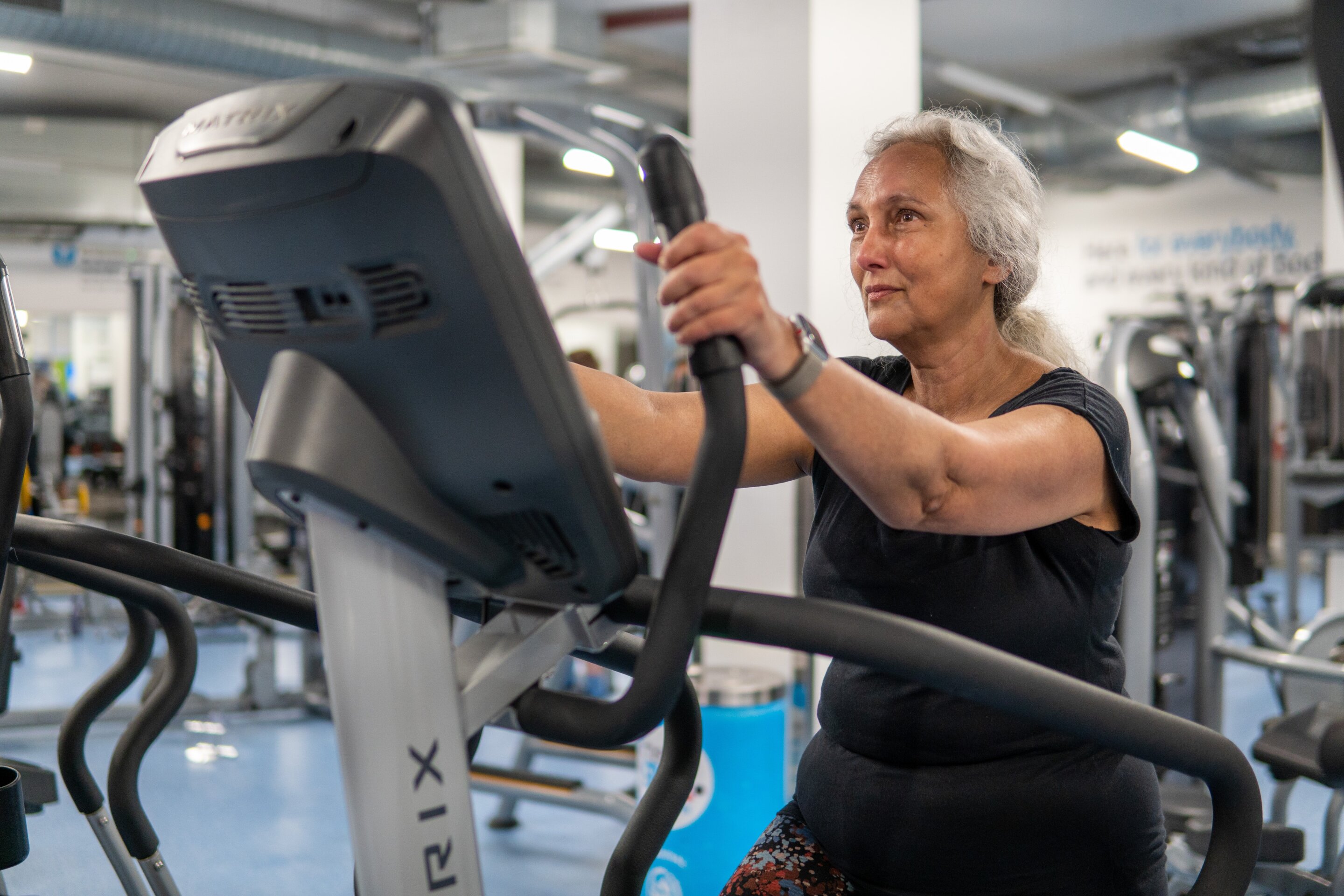
Study Links Walking Ability and Daily Steps With Quality of Life in MS

A University of Eastern Finland study found that people with relapsing-remitting multiple sclerosis who had lower disability, stronger walking performance and more daily steps also reported better quality of life. The study used accelerometer data, walking tests and established quality-of-life questionnaires, but found no association with physical-activity intensity.

Read Report →
Research

Immune-Cell Patterns Linked to Near-Term Plaque Formation in Older Adults

A three-year study of 49 healthy older adults found that specific T-cell patterns and higher baseline VCAM-1 were associated with the later development of subclinical carotid plaque. The observational findings suggest immune profiling may help identify early vascular risk, but they do not establish that the immune changes caused plaque formation.

Read Report →
Sleep

Teen Sleep Schedule Mismatch Linked to Slightly Higher Anxiety

A systematic review and meta-analysis of adolescent sleep research found a small but consistent association between greater “social jet lag”—different sleep schedules on weekdays and weekends—and higher reported anxiety. The analysis combined 12 studies involving more than 230,000 participants, but it does not establish that irregular sleep timing causes anxiety.

Read Report →
Brain & CognitionResearch

MIT Researchers Build Striatum Cell Atlas to Guide Brain-Disorder Research

An MIT-led study used single-cell RNA sequencing and spatial mapping to identify 31 neuronal subgroups in the human striatum, a brain region involved in movement, decision-making, habits, and reward. The atlas highlighted cell populations linked to addiction, depression, and schizophrenia, while also revealing differences between human and mouse neurons relevant to Huntington’s disease and opioid research.

Read Report →
Research

Review Links 8–12 Weeks of Mindfulness Training to Better Heart-Health Measures

A review of 18 randomized controlled trials found that mindfulness, gratitude, optimism and related positive-psychology programs were associated with improvements in blood pressure, inflammation and other cardiovascular markers. The strongest results generally came from daily practice reinforced by weekly sessions, although the interventions and participants varied widely.

Read Report →
Research

Dementia Risk Remains Uneven Even After Age 90, Study Finds

A prospective cohort study of more than 800 adults aged 90 and older found that dementia incidence remained associated with sex, race, ethnicity and APOE genotype. Women had roughly twice the risk of men, while APOE2 carriers had a 60% lower risk; some people with established risk factors remained cognitively healthy.

Read Report →
Brain & CognitionHealth Tech

Blood Assay Detects Alzheimer’s-Linked Amyloid-β Seeding Activity

A study of 549 participants evaluated a blood-based protein misfolding amplification assay designed to detect amyloid-β aggregation activity. In a validation stage, the measure showed high diagnostic accuracy across several clinical comparisons and was associated with cognitive-function scores, but the findings establish a biomarker signal—not a standalone diagnosis or treatment.

Read Report →
Brain & CognitionResearch

Human-Specific SRGAP2 Copies Linked to Slow Microglial Development

A Columbia University study reports that human-specific copies of SRGAP2 are unusually active in microglia, the brain’s immune cells, and help slow their maturation. The researchers found that human microglia may take four to eight years to mature, compared with about three weeks in mice, potentially coordinating the long development of human brain circuits.

Read Report →
NutritionResearch

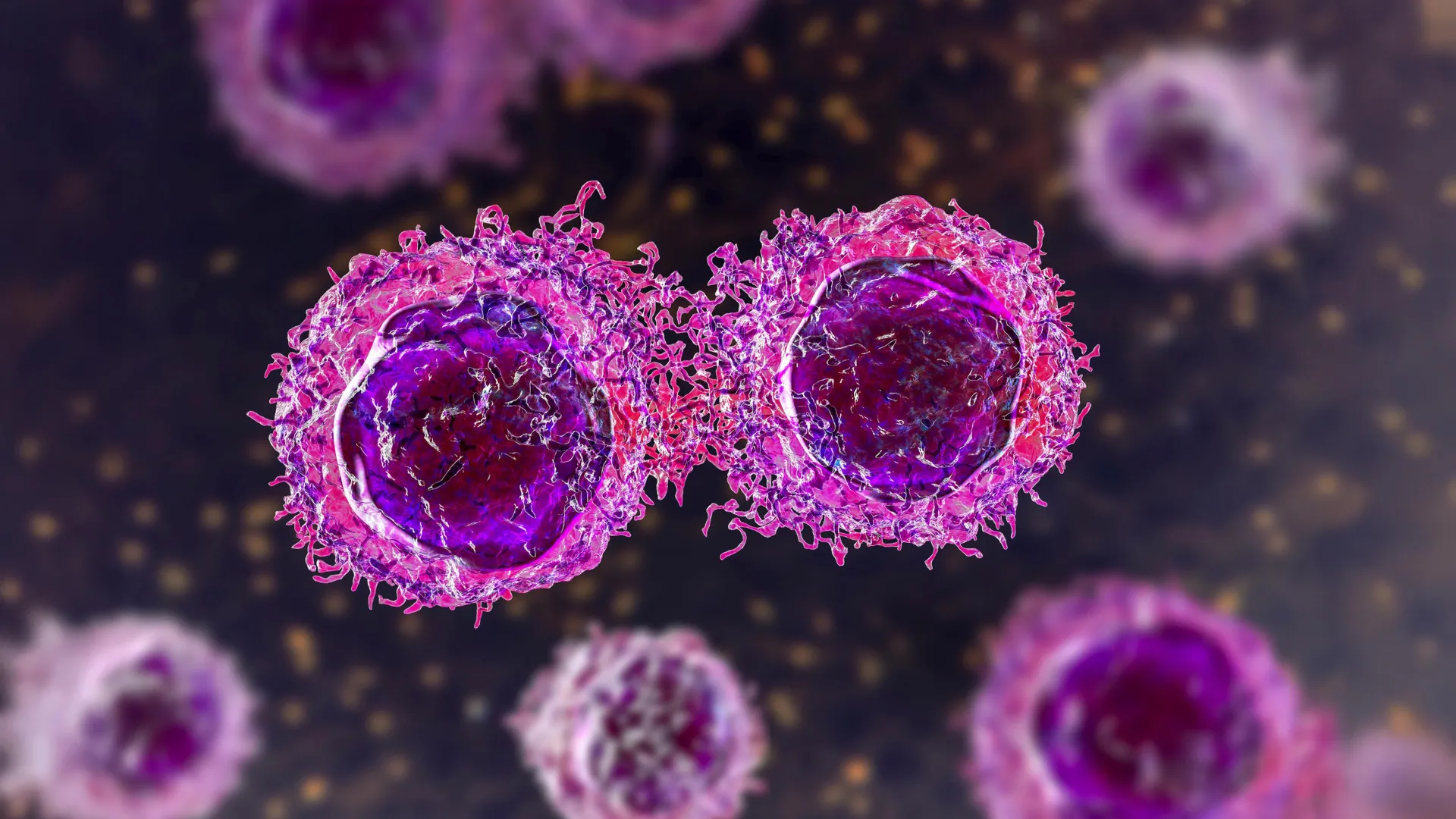
Cell Study Links High Glucose to a Thicker Cancer-Cell Sugar Shield

A study from Sanford Burnham Prebys and collaborating institutions found that elevated glucose thickened the glycocalyx—a sugar-rich coating on cancer cells—under laboratory conditions designed to resemble the tumor environment. The effect depended on HSF1, suggesting a possible research path for making cancer cells more visible to immune defenses, though no human treatment benefit was established.

Read Report →

Our Approach

Evidence before hype.

A mouse study is not a human trial. A company announcement is not clinical proof. An association is not causation. Biohack Report aims to keep those distinctions visible while covering fast-moving research and technology.