
Randomized Trial Links Aerobic Exercise to Stronger Executive Function After Menopause
A six-month randomized controlled trial of 93 women found that postmenopausal participants assigned to aerobic exercise improved task-switching and error management more than those in a stretching-and-toning group. The gains appeared after three months and continued through the study, while memory and processing speed did not show the same improvement.
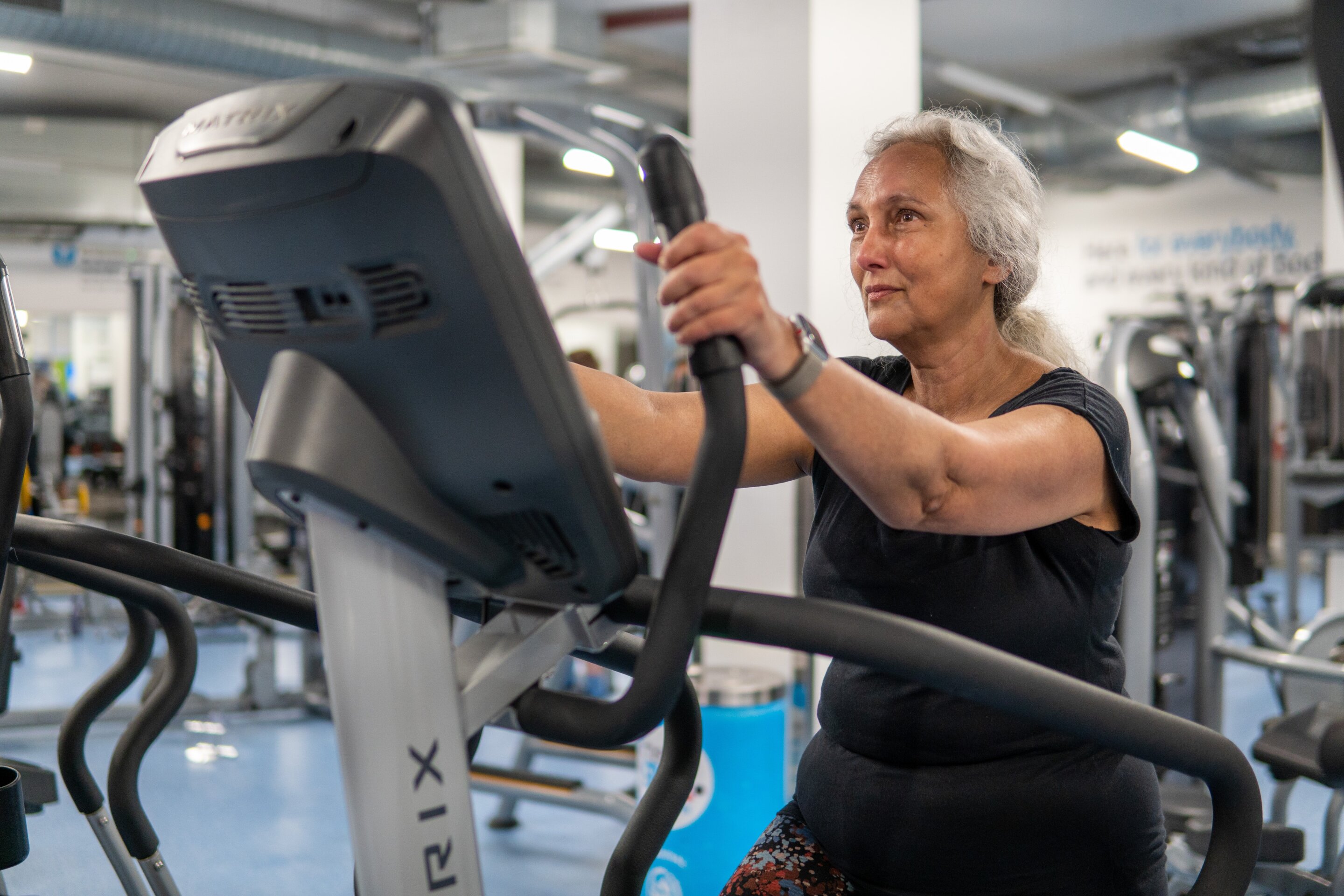
A six-month randomized controlled trial suggests that aerobic exercise may provide particular benefits for executive function in postmenopausal women, including faster task-switching and improved error management. The study, led by Rutgers researchers and published in the Journal of Alzheimer’s Disease, included 93 healthy women ages 20 to 67; 43% were classified as postmenopausal.
Participants began the trial with below-average cardiorespiratory fitness and were not regularly exercising. They were randomly assigned to either an aerobic exercise program or a stretching-and-toning program. Researchers tracked changes in cognitive performance throughout the intervention.
Postmenopausal women in the aerobic group showed greater improvements in executive functions than postmenopausal women in the stretching group. Their gains were also greater than those seen among premenopausal women following the same aerobic program, according to the study report.
Executive functions include mental skills involved in planning, focusing, switching between tasks and managing errors. The reported improvement was specific to this category of cognition. Memory and processing speed did not show comparable gains during the study.
The researchers reported that measurable cognitive changes appeared after three months and continued to strengthen through six months. Adherence was relatively high: approximately eight in 10 participants completed at least three months, while about seven in 10 completed the full six-month program.
The findings are relevant to a period when many women report changes in concentration and mental flexibility. The source report also places the research within broader concerns about women’s brain health, noting that two-thirds of Alzheimer’s disease diagnoses occur in women. However, this trial measured performance on standardized cognitive assessments; it did not establish that aerobic exercise prevents Alzheimer’s disease or changes long-term dementia risk.
Based on the study, experts at the Rutgers Brain Health Institute outline an aerobic exercise approach involving three to four one-hour sessions per week for at least three to six months. Their suggested format includes a 10- to 15-minute warm-up and gentle stretching followed by 45 minutes of continuous, moderate aerobic activity. Examples listed in the report include brisk walking, light jogging, cycling, elliptical training, swimming, water aerobics and dance-based cardio. The experts emphasize consistency and gradual progression rather than one specific type of exercise.
The study focused on healthy women who were not regularly active at the outset, so its results do not establish that the same cognitive effects would occur in every population. The researchers said additional work will examine how lifestyle interventions may support cognitive health across the lifespan.
Reporting Note
Biohack Report distinguishes preliminary findings, clinical evidence and commercial claims whenever the available reporting supports that distinction. Coverage is informational and is not medical advice.