
All Topics

Topic

Brain & Cognition

Neuroscience, neurotechnology, cognition, memory, brain monitoring, neurofeedback, and cognitive performance.

19 published reports
Brain & Cognition

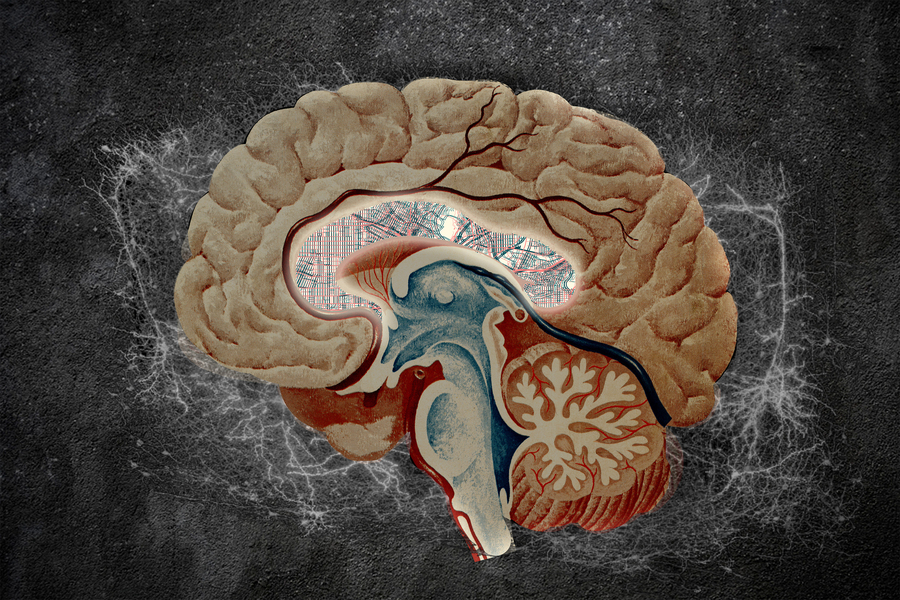
MIT Theory Links Cognition and Consciousness to Analog Brain-Wave Computing

A review by MIT neuroscientists proposes that traveling brain waves help coordinate overlapping neural networks through analog, rather than purely digital, computations. The theory draws on experimental findings involving neural waves, electric-field interactions and anesthesia, but its authors say direct evidence of analog computation has not yet been demonstrated.

Read Report
SleepNutrition

Human study maps region-specific links between gut microbes and brain chemistry

A cross-sectional study of 61 healthy young women found that the gut microbiome’s genetic capacity for certain metabolic pathways was associated with GABA, glutamate and excitatory/inhibitory balance in distinct brain regions. The findings also linked some microbial pathways with anxiety, depressive symptoms and sleep quality, but did not establish cause and effect.

Read Report
Brain & CognitionResearch

MIT Researchers Build Striatum Cell Atlas to Guide Brain-Disorder Research

An MIT-led study used single-cell RNA sequencing and spatial mapping to identify 31 neuronal subgroups in the human striatum, a brain region involved in movement, decision-making, habits, and reward. The atlas highlighted cell populations linked to addiction, depression, and schizophrenia, while also revealing differences between human and mouse neurons relevant to Huntington’s disease and opioid research.

Read Report
Fitness & RecoveryBrain & Cognition

Randomized Trial Links Aerobic Exercise to Stronger Executive Function After Menopause

A six-month randomized controlled trial of 93 women found that postmenopausal participants assigned to aerobic exercise improved task-switching and error management more than those in a stretching-and-toning group. The gains appeared after three months and continued through the study, while memory and processing speed did not show the same improvement.

Read Report
LongevityBrain & Cognition

Study Links Oligodendrocyte NRF2 Changes to Cognitive Decline in Aging Mice

Research examining aging-related white matter changes in humans and mice linked poorer cognitive trajectories with altered oligodendrocyte behavior, including reduced NRF2 activity. In aged mice, selectively removing NRF2 from oligodendrocytes was associated with less cognitive improvement and changes resembling those observed in human cognitive decline, although the findings do not establish a treatment for preserving cognition.

Read Report
Brain & CognitionHealth Tech

Blood Assay Detects Alzheimer’s-Linked Amyloid-β Seeding Activity

A study of 549 participants evaluated a blood-based protein misfolding amplification assay designed to detect amyloid-β aggregation activity. In a validation stage, the measure showed high diagnostic accuracy across several clinical comparisons and was associated with cognitive-function scores, but the findings establish a biomarker signal—not a standalone diagnosis or treatment.

Read Report
Brain & CognitionResearch

Human-Specific SRGAP2 Copies Linked to Slow Microglial Development

A Columbia University study reports that human-specific copies of SRGAP2 are unusually active in microglia, the brain’s immune cells, and help slow their maturation. The researchers found that human microglia may take four to eight years to mature, compared with about three weeks in mice, potentially coordinating the long development of human brain circuits.

Read Report
Fitness & RecoveryBrain & Cognition

Ten Minutes of Very Slow Running Linked to Better Mood and Executive Function

A study published in Imaging Neuroscience found that 10 minutes of very slow treadmill running was followed by improved mood, faster performance on a measure of executive function, and increased activity in several prefrontal brain regions. The research examined running at roughly walking speed and very light exercise intensity.

Read Report
Brain & CognitionResearch

Study Reframes Brain Evolution Beyond the “Lizard Brain” Model

Research published in Science Advances suggests mammalian brain evolution may reflect a trade-off between two competing wiring strategies rather than a progression from an ancient “lizard brain” to newer rational regions. Analysis spanning 182 species and experiments with artificial neural networks linked the balance to animals’ sensory demands, including smell and vision.

Read Report
Brain & Cognition

One-Month HEPA Purifier Use Linked to Faster Executive-Function Test Scores

In a randomized crossover study of 119 Massachusetts residents, participants aged 40 and older completed an executive-function and mental-flexibility test about 12% faster after a month using a HEPA air purifier than after using a sham device. The study did not establish whether the effect lasts or applies to adults over 60.

Read Report
LongevityBrain & Cognition

Senolytic Strategies Rejuvenate Microglia in the White Matter of Aged Mice

A study in naturally aged mice found that pharmacological and pharmacogenetic senotherapeutic approaches reduced a senescent, disease-associated microglial population in a region of brain white matter. The interventions were linked with a more youthful microglial organization, but the findings remain preclinical and do not establish a benefit in humans.

Read Report
SleepBrain & Cognition

Study Links Learning-Stage Theta Activity to Memory Consolidation During Sleep

In a study of 31 participants, EEG patterns recorded while people learned object-word pairs were associated with which pairs they later remembered after sleep. The findings point to theta oscillations as a possible neural marker for experiences selected for sleep-dependent memory consolidation, although the study tested memory only over a two-hour period.

Read Report
SleepHealth Tech

Sleep Spindles Linked to Slower Cognitive Decline in Alzheimer’s Study

A three-year study of 60 adults with mild to moderate Alzheimer’s disease found that higher cerebrospinal-fluid orexin levels were associated with cognitive decline and disease-related biomarkers. Stronger sleep spindles and slow oscillations during nonrapid eye movement sleep appeared to weaken that relationship, although the findings do not establish that sleep brain waves prevent disease progression.

Read Report
SleepBrain & Cognition

Sleep Research Challenges the One-Size-Fits-All Eight-Hour Rule

A narrative review in Brain Medicine highlights evidence that optimal sleep duration varies among people and may often fall below eight hours. Research also suggests that sleep timing, regularity and total sleep across the week are important—but the health effects of longer sleep remain difficult to interpret.

Read Report
Brain & CognitionResearch

Mouse Study Identifies Brain Circuit That Compares New Sights With Recent History

MIT researchers identified a thalamo-cortical pathway in mice that helps the frontal cortex interpret current visual evidence in light of what happened moments earlier. The circuit influenced whether animals maintained or changed decisions in a moving-dots task, though the findings remain preclinical.

Read Report
SleepFitness & Recovery

Brief Exercise or a Nap May Protect Memory After Sleep Loss

A McGill University-led study of 54 healthy young adults found that either 20 minutes of moderate-to-vigorous cycling or a 90-minute nap was associated with better image-memory performance after 30 hours without sleep. Brain recordings suggested the two interventions supported memory through different neural processes, but neither replaced sleep.

Read Report
Brain & CognitionResearch

Language Network Shows Few Age Differences in MIT-Brain Study

An MIT-Boston University brain-imaging study found that language-network activity was nearly identical in adults ages 17 to 39 and 41 to 80. The same participants showed age-related differences in the multiple demand network, which supports executive functions such as working memory, attention, and decision-making. The study did not directly test language ability.

Read Report
Brain & CognitionResearch

Mouse Study Finds Prefrontal Circuits Can Reuse Working Memory

MIT neuroscientists report that some prefrontal-cortex neurons in mice can hold either sensory information or an action plan, depending on the stage of a task. The findings support a model in which reusable neural modules help the brain handle varied cognitive demands without requiring a separate circuit for every type of information.

Read Report
Brain & Cognition

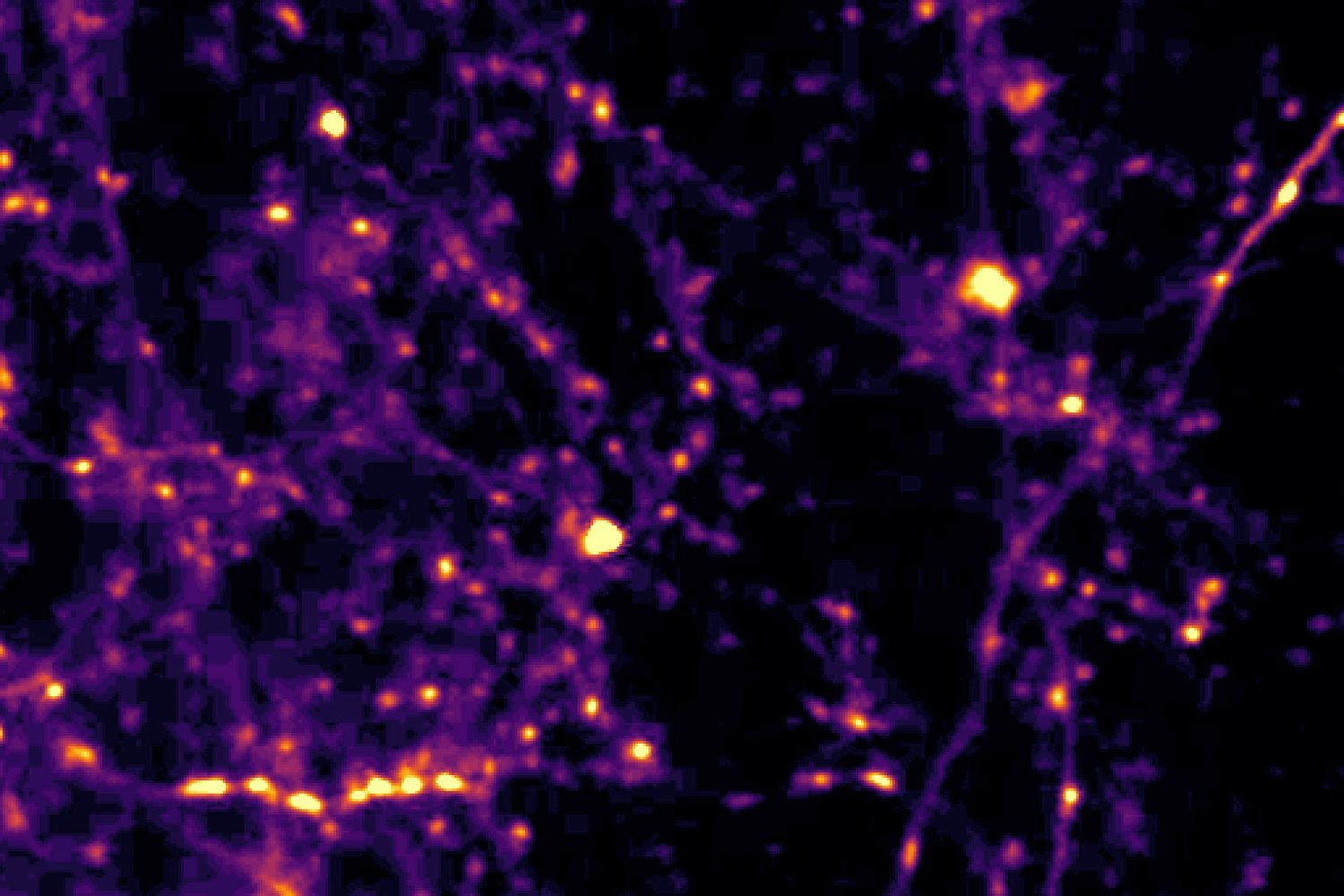
MIT Microscope Captures Millisecond-Scale Voltage Activity Across Zebrafish Brains

MIT researchers adapted a light-sheet microscope to image electrical activity across the brains of larval zebrafish at up to 200 scans per second. The method captured individual voltage spikes and brain-wide responses to ultraviolet light, although usable signals appeared in about one-quarter of neurons and the system remains an experimental research tool.

Read Report

Keep Exploring

More Biohack Report topics.

All Topics