
Mouse Study Finds Sucralose and Stevia Effects Persisted Across Generations
A study of mice linked sucralose and stevia exposure with changes in gut bacteria, glucose regulation and gene activity. Some findings remained in descendants that had never consumed the sweeteners, although the researchers emphasized that the results do not establish direct causation or show that the same effects occur in humans.
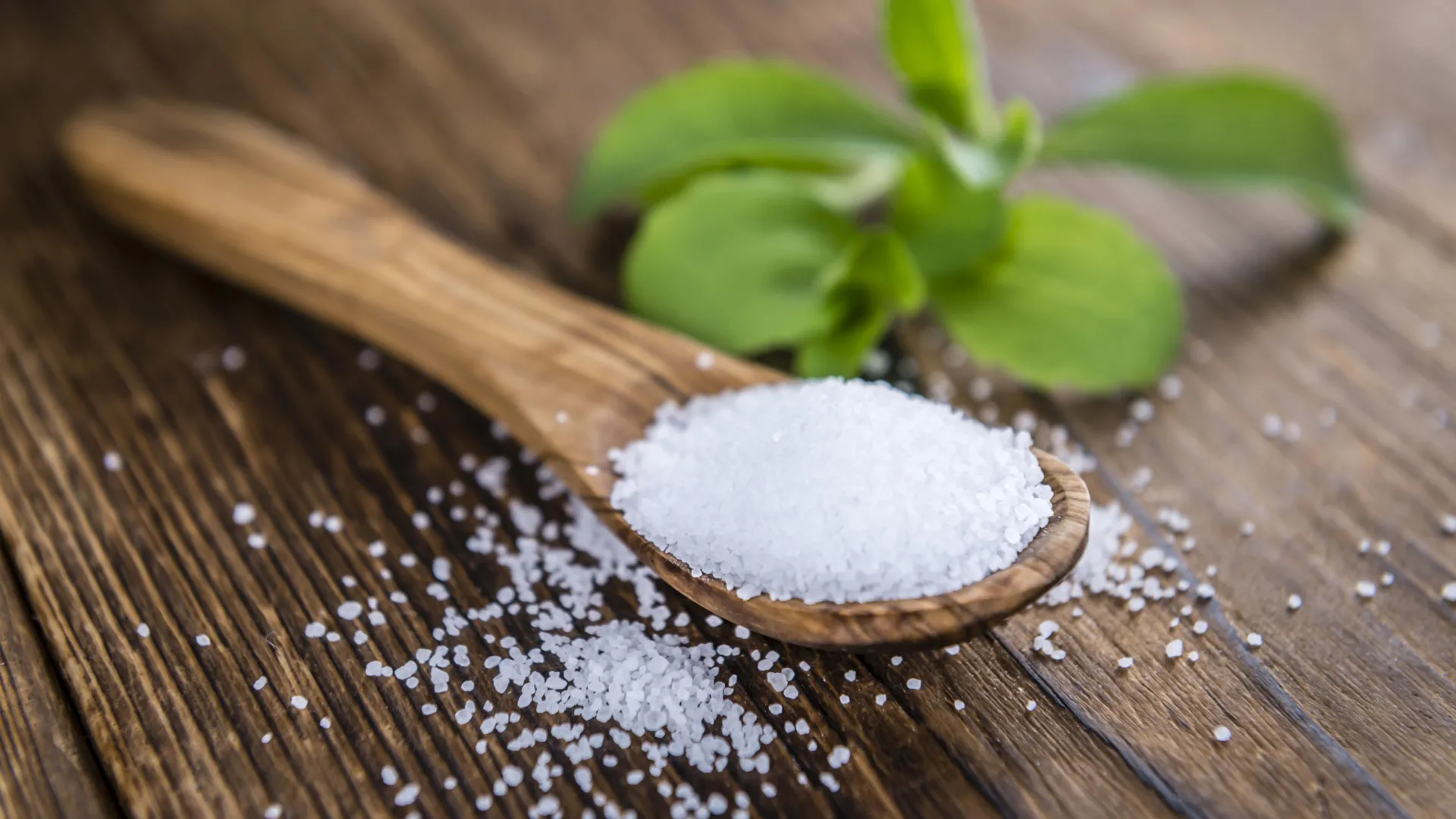
A mouse study published in Frontiers in Nutrition found that exposure to the zero-calorie sweeteners sucralose and stevia was associated with changes in gut bacteria, glucose regulation and gene activity. Some of those changes were detected in later generations that had not consumed the sweeteners themselves.
The researchers divided 47 male and female mice into three groups. One received plain water, while the other groups received water containing either sucralose or stevia at doses intended to resemble amounts a person might reasonably consume in a normal diet. The animals were then bred for two successive generations, with the offspring given only plain water.
Researchers assessed oral glucose tolerance, fasting blood sugar, fecal microbiome composition and short-chain fatty acids. These compounds are produced by gut bacteria and can influence biological processes related to gene regulation. The team also measured the activity of five genes in the liver and intestines involved in inflammation, metabolism and the gut barrier.
The two sweeteners produced different patterns. Among first-generation offspring, impaired glucose tolerance appeared only in males descended from mice exposed to sucralose. By the second generation, elevated fasting blood sugar was found in male descendants of the sucralose group and female descendants of the stevia group.
Both sweeteners were associated with greater diversity in the fecal microbiome and lower concentrations of short-chain fatty acids. Reduced levels of these compounds were also detected in the two subsequent generations. The researchers said the findings were consistent with disruptions in gut microbiome function, but they did not establish the biological pathway responsible for the observed changes.
Sucralose-related effects were generally stronger and lasted longer. Exposure was linked with larger shifts in microbiome composition, including more potentially pathogenic bacteria and fewer beneficial species. It was also associated with increased activity in genes linked to inflammation and reduced activity in genes related to metabolism. Those gene-activity changes remained detectable two generations after the original exposure.
Stevia also altered gene expression, but the reported changes were weaker and did not persist beyond one generation. Overall, the effects tended to be strongest in the first generation and diminished in the second.
The researchers stressed that the mice did not develop diabetes. Instead, the study identified relatively subtle changes in glucose regulation and gene activity that could represent early signals related to metabolic or inflammatory processes. The authors said such changes might influence susceptibility to metabolic disturbances under certain conditions, including a high-fat diet, but this possibility was not demonstrated in the study.
Because the research was conducted in mice, its findings cannot establish that sucralose or stevia produce the same effects in people. The researchers also cautioned that the observed associations do not prove the sweeteners directly caused every change. The study points to questions about long-term and multigenerational effects, rather than demonstrating a human health outcome.
Reporting Note
Biohack Report distinguishes preliminary findings, clinical evidence and commercial claims whenever the available reporting supports that distinction. Coverage is informational and is not medical advice.