
Study Identifies RNA-Splicing Errors Linked to Failed Liver Repair After Alcohol Damage
A study of human liver tissue and mice links alcohol-associated liver disease to inflammation, reduced ESRP2 protein levels, and widespread RNA-splicing errors. The findings suggest a possible pathway for future diagnostics or treatments, but the proposed approach has so far been tested in laboratory liver-cell cultures and animal models.
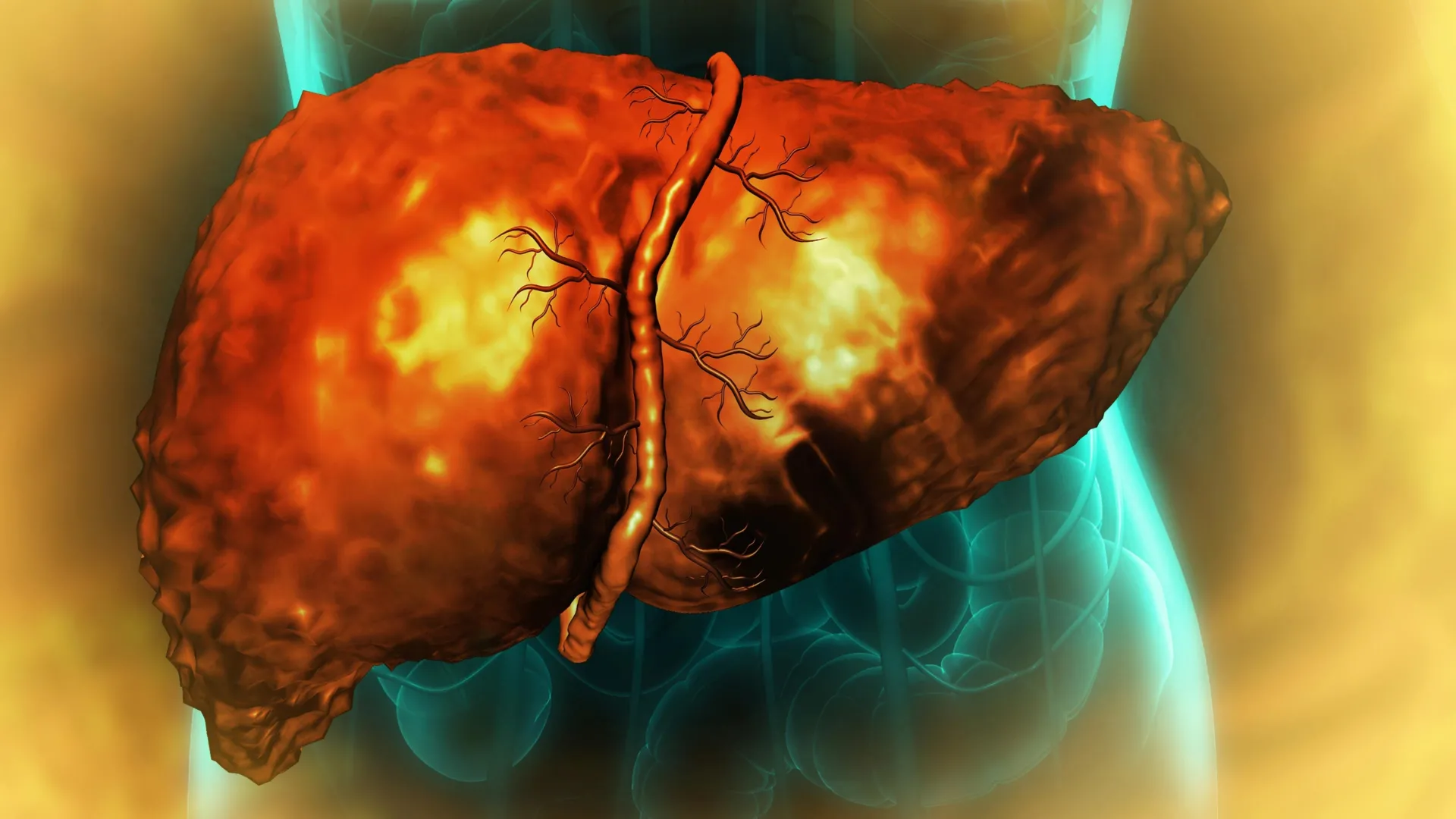
A study involving human liver samples and mice has identified a possible explanation for why severely alcohol-damaged livers may fail to regenerate even after drinking stops. The researchers linked the problem to inflammation-driven errors in RNA splicing, a process that helps cells produce proteins with the correct structure and function.
The work, published in Nature Communications in 2025 and reported by ScienceDaily on Aug. 31, 2026, was conducted by researchers from the University of Illinois Urbana-Champaign, Duke University, and Chan Zuckerberg Biohub Chicago. The team compared healthy liver tissue with samples from people who had alcohol-associated hepatitis or cirrhosis.
In advanced disease, liver cells appeared to begin shifting from their mature state toward a less specialized, regenerative state. However, they did not complete that transition. Instead, the cells remained in an intermediate condition—neither fully functional adult cells nor actively proliferating progenitor cells. According to the researchers, this may leave too few cells performing the liver’s normal functions while placing additional pressure on surviving cells to regenerate.
The researchers found widespread RNA missplicing across thousands of genes in diseased liver tissue. RNA carries instructions from DNA to the machinery that makes proteins, and splicing removes and joins RNA segments before those instructions are used. Errors in this process can change a protein’s function or interfere with signals that direct it to the correct location inside a cell.
One protein emerged as a potential contributor: ESRP2, which helps regulate RNA splicing. ESRP2 levels were reduced in alcohol-damaged liver cells. In some cases, proteins were produced in apparently normal amounts but remained in the cytoplasm instead of reaching the nucleus, where they were needed for regenerative activity.
Experiments in mice lacking the gene responsible for ESRP2 produced liver injury and impaired regeneration patterns resembling those seen in advanced alcohol-associated hepatitis. The researchers also traced reduced ESRP2 activity to inflammatory and growth-factor signals released after alcohol-related tissue damage.
In laboratory cultures of liver cells, blocking the receptor for one inflammation-promoting factor restored ESRP2 levels and made RNA splicing more typical. That result points to a possible treatment pathway, but it does not establish that the approach works in people or that it can restore liver function in patients.
The researchers said abnormal RNA-splicing patterns might eventually help monitor alcohol-associated liver disease, while therapies aimed at the inflammatory pathway could be explored in future studies. The current findings describe a molecular mechanism and early intervention evidence rather than a clinically available treatment.
Reporting Note
Biohack Report distinguishes preliminary findings, clinical evidence and commercial claims whenever the available reporting supports that distinction. Coverage is informational and is not medical advice.