
Vesper Bats Have a Previously Unknown Antibody Gene Arrangement
A Science Advances study reports that vesper bats, a group spanning more than 500 species, possess two separate sets of immunoglobulin heavy-chain genes. The unusual arrangement may help explain how these bats host potentially dangerous viruses without becoming seriously ill, although the finding does not fully account for their viral tolerance.
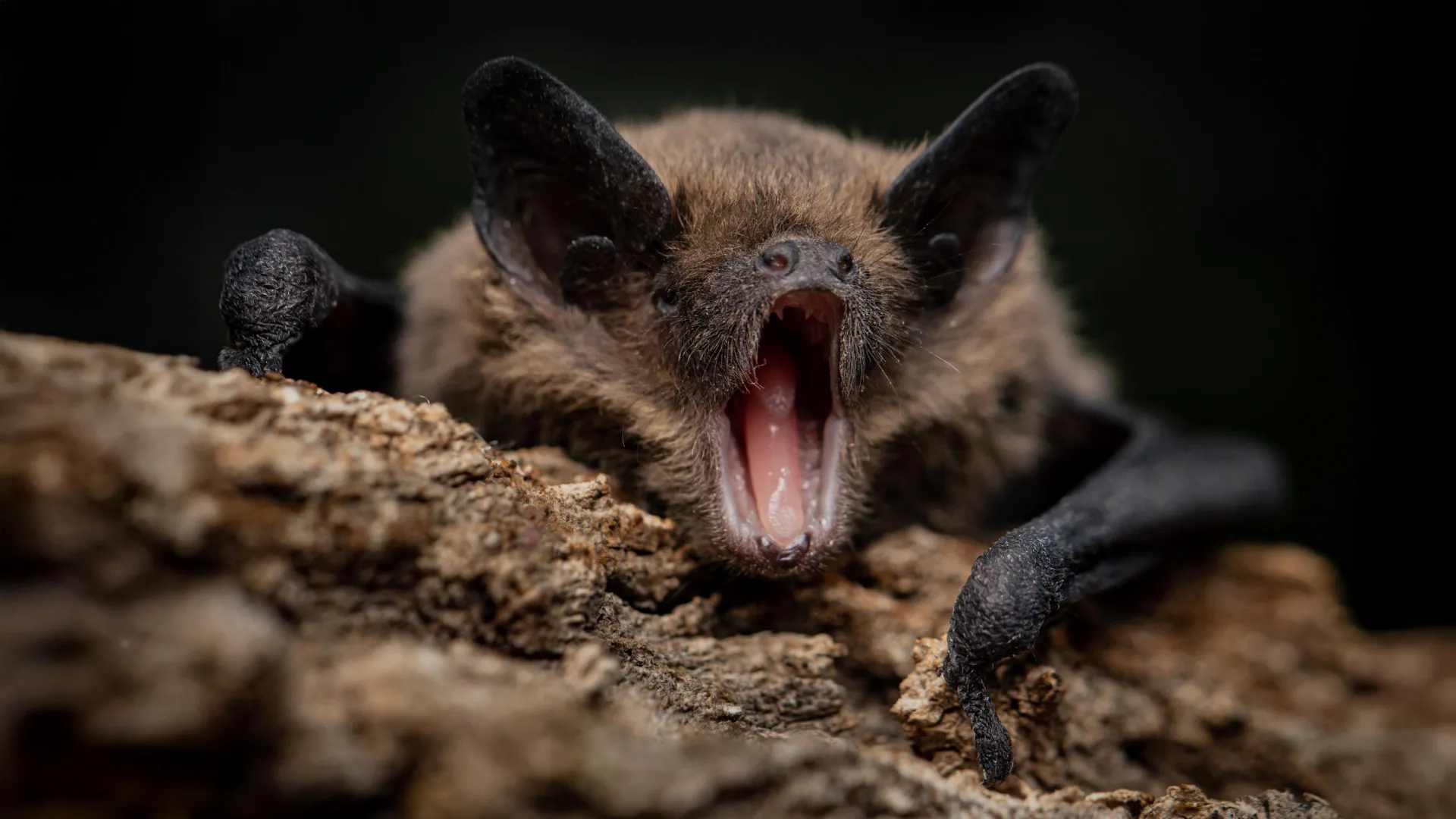
Researchers have identified an unusual feature of the adaptive immune system in vesper bats: unlike other known mammals, these bats appear to carry two distinct sets of genes used to produce antibody heavy chains.
The finding, published in Science Advances, came from work by researchers at Tulane University, Stanford University and the Centers for Disease Control and Prevention. Vesper bats include more than 500 species found on every continent except Antarctica. They are known as hosts for many viruses, yet often do not develop severe illness from those infections.
Antibodies are immune proteins that help identify and respond to pathogens. They are assembled from two heavy chains and two light chains. In humans and other known mammals, the genes for the heavy chains come from a single genetic system. The researchers reported that vesper bats instead have a duplicated immunoglobulin heavy-chain locus, meaning they possess two separate heavy-chain gene systems.
That arrangement could provide the bats with additional potential for antibody diversity, according to the research team. The result offers a possible explanation for how vesper bats coexist with viruses that can cause serious disease in other animals, but it does not establish that the duplicated genes are solely responsible for the bats’ ability to tolerate infection.
Hannah Frank, an associate professor of ecology and evolutionary biology at Tulane University and the study’s corresponding author, described the discovery as an immune-system organization not previously observed in a mammal. The researchers said it also redirects attention toward bats’ adaptive immune system, which produces antibodies, alongside the innate immune defenses that have traditionally received much of the focus in bat-immunity research.
The study was focused on the genetic structure of the bats’ antibody system rather than demonstrating a treatment or immune benefit in humans. The researchers characterized the finding as one part of a larger explanation for bat immunity and said it raises further questions about how the system functions and why the group has been evolutionarily successful.
Understanding unusual immune adaptations in bats could eventually inform research into immune responses in other species and strategies for reducing the risk of viruses spilling over into new hosts. Those possibilities remain research directions rather than established applications. Bats also play ecological roles as pollinators, seed dispersers and natural pest controllers, giving the findings relevance beyond virology and immunology.
Reporting Note
Biohack Report distinguishes preliminary findings, clinical evidence and commercial claims whenever the available reporting supports that distinction. Coverage is informational and is not medical advice.